The city aims to identify and handle all reported cases of homeless people and beggars in accordance with regulations, according to a plan announced by the municipal People's Committee on October 1.
It also aims to reduce disguised begging in urban, tourist, service and commercial areas by 90-100 per cent from levels recorded at the start of 2026.
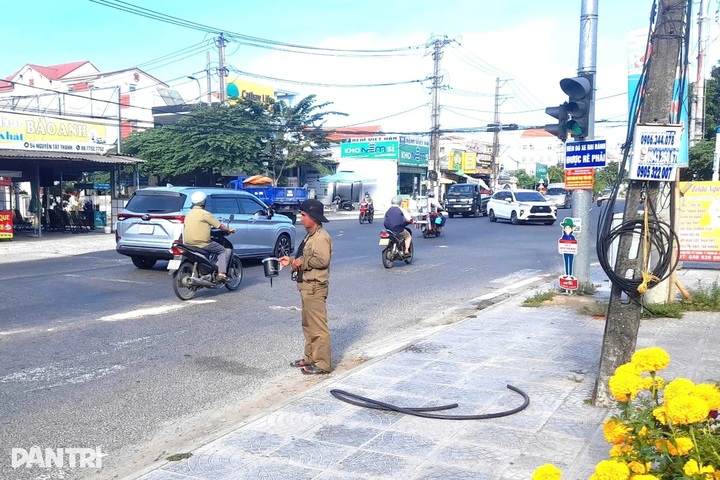
Hotels, restaurants and other food and accommodation businesses will be encouraged to prevent begging on their premises.
Authorities will identify high-risk areas and groups while reviewing vulnerable people who may need support, including children, the elderly, people with disabilities and those without stable employment.
The city will also raise awareness among residents and tourists about disguised begging and encourage them not to give money or goods directly to beggars, but instead contribute through social welfare programmes.
Reporting channels will be maintained to help authorities identify cases, while hotels, restaurants and public venues will be encouraged to cooperate in prevention efforts.
Those with known residences will be returned to their families, while others without identified carers will be taken to social assistance facilities.
Children, the elderly, people with disabilities and those being exploited or forced to beg will receive appropriate protection and assistance.
Authorities will also investigate and take action against those who organise, facilitate or force vulnerable people to beg.