
By 2030, almost 18 million people in Vietnam are expected to be aged 60 or over, nearly 4 million more than in 2024. About two-thirds of people in this age group have at least one underlying medical condition, while more than half of those affected have multiple conditions.

The 20th National Scientific Conference of the Vietnam Urology and Nephrology
Association (VUNA), held in Ninh Binh
As Vietnam's population ages, the growing prevalence of chronic disease is also raising concerns about vulnerability to infectious diseases.
Diabetes and kidney disease increase infection risks
Diabetes can impair the immune system, making it harder for the body to respond effectively to infections. Studies have found that people with diabetes are more likely to develop respiratory tract infections and pneumonia. They also face a 38 per cent higher risk of shingles and an increased risk of severe respiratory syncytial virus (RSV) disease in older age groups.3-5
People with chronic kidney disease (CKD) also face a heightened risk of infection. They are estimated to have a 29 per cent higher risk of developing shingles, while CKD has also been associated with an increased risk of RSV infection and severe disease.6
The findings were discussed at a scientific conference organised by the Vietnam Urology and Nephrology Association (VUNA), with support from GSK Vietnam, which focused on the management of chronic conditions and prevention of infectious diseases.
Bringing prevention into long-term care
Vaccination is among the preventive measures recommended for people living with diabetes. The American Diabetes Association (ADA) includes vaccination as part of routine care for people with the condition.
Nguyen Khoa Dieu Van, vice-president of the Vietnam Association of Diabetes and Endocrinology, said age-related changes in the immune system, combined with underlying conditions, could make infections more serious.
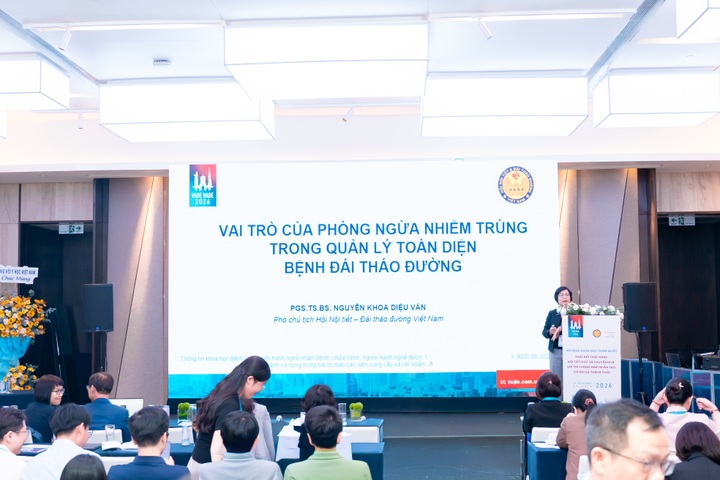
Assoc. Prof. Dr. Nguyen Khoa Dieu Van shared about infection prevention in diabetes
management
“People with diabetes need to understand that vaccination is part of an ‘immune shield’, as important as controlling blood glucose, blood pressure and blood lipids,” Van said.
The 2024 Kidney Disease: Improving Global Outcomes (KDIGO) guideline on chronic kidney disease also identifies an immunisation programme as part of proactive care for people with CKD.7
In Vietnam, VUNA published recommendations on vaccination for patients with chronic kidney disease in August 2026, drawing on international guidance and adapting it to the local context.
Vo Tam, vice-president of the Vietnam Urology and Nephrology Association, said assessment of infection risks and preventive counselling should form part of routine long-term follow-up.
Healthcare professionals can review a patient's vaccination history and discuss preventive measures based on their medical condition and individual needs, he said.
The approach is also reflected in a Ministry of Health decision issued on July 1, 2026, which calls for vaccination to be incorporated into community-based management of risk factors and non-communicable diseases. The guidance covers vaccine-preventable infections including hepatitis B, human papillomavirus (HPV), RSV, influenza, pneumococcal disease and shingles.8
For older people living with chronic conditions, integrating prevention with treatment can help reduce avoidable health risks while supporting long-term quality of life.
The broader message from the conference was that managing chronic disease should not stop at treating existing conditions. For an ageing population, prevention, vaccination and regular assessment of infection risks are increasingly becoming part of long-term care.