The Civil Aviation Authority of Vietnam said carriers operating routes between Vietnam and the Middle East had implemented assistance policies after airspace disruptions affected flight schedules.
Amid the volatile situation, several airlines including Qatar Airways, Etihad Airways and Emirates adjusted operations in early March.
Between March 4 and 6, Qatar Airways cancelled 10 passenger flights at Noi Bai International Airport and Tan Son Nhat International Airport, affecting about 2,052 passengers, excluding infants. Four cargo flights were also suspended.
Etihad Airways cancelled two pairs of passenger flights to and from Hanoi on March 5, affecting around 960 passengers.
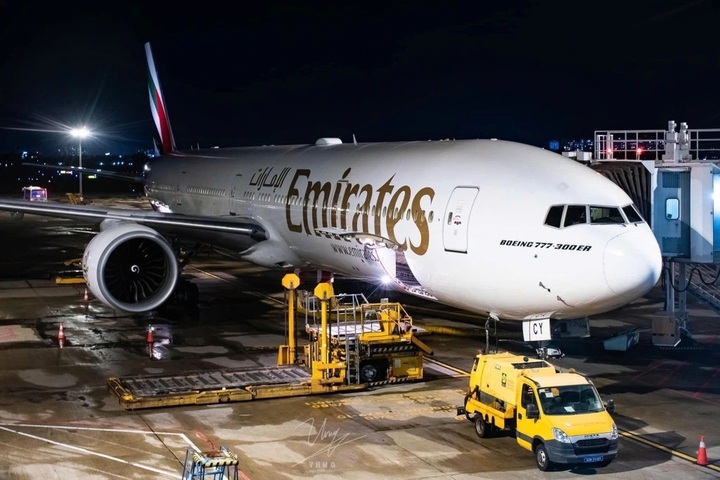
Emirates cancelled most flights to and from Dubai between February 28 and March 4, including three pairs on March 4. Flight EK394 operated as scheduled, while EK395 was arranged on March 5 as a repatriation flight for UAE citizens and residents.
Airlines have introduced flexible policies to support affected travellers.
Qatar Airways is allowing passengers with tickets issued for travel between February 28 and March 10, 2026 to change departure dates free of charge within 14 days of the original flight or request refunds for unused tickets.
Etihad Airways is offering free ticket changes for passengers whose tickets were issued before February 28 for travel before March 10. Travellers may rebook flights until March 31, 2026 or request refunds, and are advised to check flight status and update contact details before heading to the airport.
Emirates said affected passengers could rebook on alternative flights departing on or before March 20 or request refunds for tickets scheduled on or before March 10.
Passengers who booked through travel agents are advised to contact their agents directly for assistance, while those who booked directly with airlines can seek support through official websites or hotlines.
The civil aviation authority said it would continue coordinating with relevant agencies to monitor airline operations and provide timely updates to minimise disruptions linked to developments in the Middle East.