Vietnamese authorities are trying to find ways to cope with tumbling world oil prices, but are optimistic about long-term benefits for the economy.
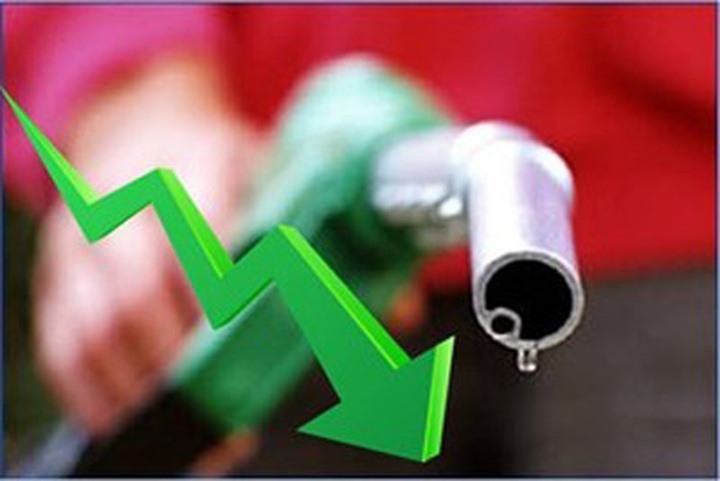
World oil prices have dropped UD10 a barrel for RON92 to USD54 in the past month, hitting a six-year low of USD46 on January 13.
Vietnam Petroleum (PVN) contributed 26 percent of the overall state budget in 2014, and declining fuel prices will have an impact on state spending. The Minister of Planning and Investment, Bui Quang Vinh, said if the price dropped to USD40 a barrel, the state budget might lose VND70trn (USD3.3bn) in revenue.
"If the price stays at USD60 a barrel then there's not much of a disturbance, but when the oil price drops to USD40, Vietnam will have to reduce its oil production by 1.8 million tonnes," he said.
The Ministry of Industry and Trade planned to export 14.74mn tonnes of oil this year, and a price drop to USD40 would affect many investment plans. The target GDP growth of 2015 would fall by one percentage point to 5.2 percent.
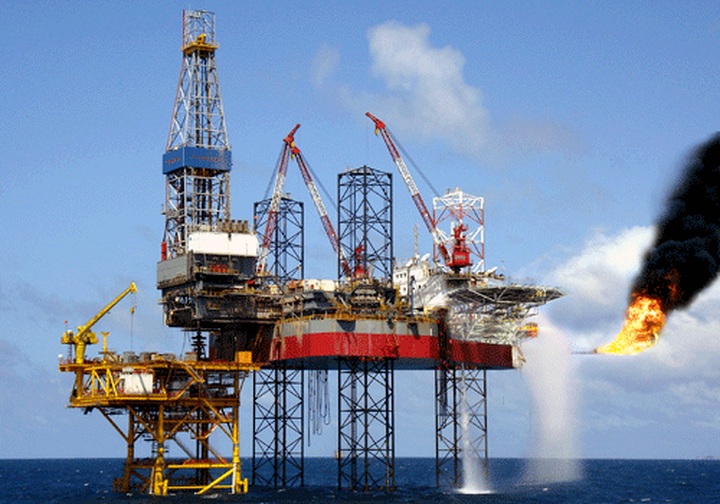
PVN cuts oil production
PVN already cut oil production this year by some 450,000 tonnes in oil fields with production costs of USD60 to USD70 a barrel.
The Minister of Finance, Dinh Tien Dung, said there were positive factors even if oil stays under USD50 or falls to USD20.
"It would be a start of an economic boom in the long-term, which would be good for Vietnam," he said, "The ministry also has other plans to balance the budget."
Vietnam imports more oil than it exports, and a consequence of lower prices would be a decline in transportation costs and price falls in other areas, which would be a boost to the economy.
But authorities are worried about a boom in gasoline smuggling, because fuel in Vietnam, is already cheaper than neighbouring countries such as Cambodia, China, Thailand and Laos.