The General Director of the Vietnam Electricity Group (EVN), Pham Le Thanh, assured the public in an interview with DTiNews that there will be no insolvency or bankruptcy.
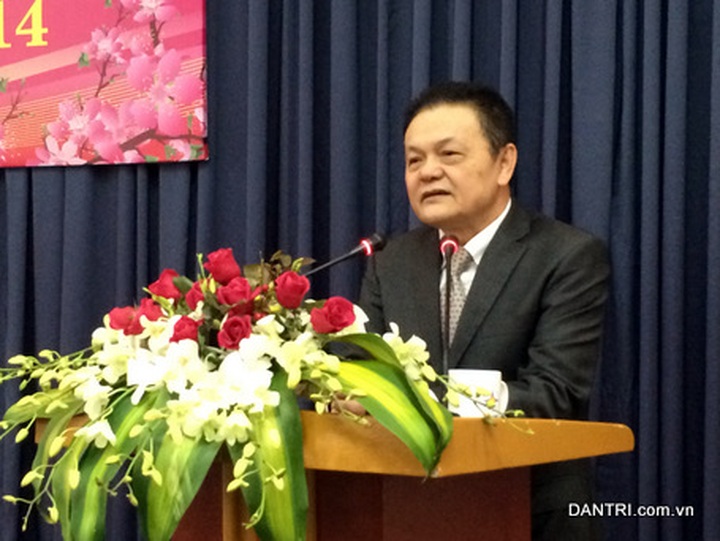 |
| The Director of Vietnam Electricity Group, Pham Le Thanh |
The Deputy Prime Minister, Hoang Trung Hai, made his worries public that the nuclear power plan won't go as expected if EVN cannot come up with the funds. What do you think?
The plan could go wrong. Two nuclear power plants require about USD16 billion. If we borrow 85% of the capital from foreign partners, EVN would still need to contribute USD2.5 billion, no easy task. This is a long-term project, however, so we may have to recalculate.
The vice head of EVN, Dinh Quang Tri, once claimed that EVN will reach the debt to equity ration in the next few years as a result of borrowing on behalf of its subsidiaries. Is this true?
It's true that we have several subsidiaries. Because these companies are not in good financial health we have to borrow from other sources then lend it to our member companies.
On the other hand, have you heard of any national electricity group going bankrupt? This is a national issue that the government cannot turn its back on. If this group bankrupt what will this country become? We would not be allowed to go bankrupt. In social projects such as bringing electricity to mountainous areas or islands, EVN supported, but in fact it was really government's subsidy.
EVN reported high profits this year. What are the Tet bonuses for employees?
We have to follow procedures and regulations. We have to spend a part of this year's earnings to offset the losses in previous years. After that, we have to pay taxes and contribute to our investment and development fund. The rest will go to the fund for bonuses and welfare.
What do you think about the rising power prices, in terms of this coming fiscal year?
In 2013, we avoided losses but we still have to face exchange rate losses. We didn't even dare to increase prices in order to keep the economy stable. However, the government set in to motion an attempt to cut losses by gradually increasing prices between 2012 to 2015.
Last year, Vinacomin raised prices on different kinds of coal sold to local electricity procurers because their prices were still cheaper than market prices. How did this affect EVN business and is the current price of electricity equal free market prices?
Vinacomin has to compensate about VND6 trillion to 7 trillion (USD352.3 million) in losses when it sells coal to power producers. If we increase the prices for them customers wouldn't be able to afford it. Each price hike must carefully thought out by a number of agencies, such as the Ministry of Industry and Trade, Ministry of Finance and the Prime Minister. EVN only provides the numbers, the government is responsible for checking and calculating any price hikes.
Market prices are not fixed, instead they vary based on demand. For example, if we don't have rain, prices will go up. In the rainy season, when the plants have excessive electricity, they will try to lower the prices.
If our economy were stronger, would EVN be able to meet market demand?
If we were to follow power saving policies it would be helpful. It has been estimated that each household can save up to 10% of their electricity. I would like to bring up the important factor of awareness in power saving. In 2013, our business was better because we were able to save 2.6billion kWh by collaborating with companies and organisations.