Located in Phu Loi Ward, the site is recognised as a national historical relic, reflecting both the brutality of the war period and the enduring spirit of the Vietnamese people. Between 1957 and 1964, it gained notoriety under the US-Diem regime for its harsh detention conditions.

Before becoming a prison, the area had served as a base for Japanese and French forces. In mid 1957, it was converted into a detention centre to hold and suppress revolutionary fighters and Vietnamese patriots.

Covering nearly 8 hectares, the prison complex included multiple cell blocks labelled A, B, C, D, E, F, G, H and N. Inside, prisoners were confined to long cement platforms, forced to lie close together in cramped, suffocating conditions.

During its operation, Phu Loi Prison became infamous for severe detention regimes and brutal methods of repression aimed at breaking prisoners’ resistance.

One of the most harrowing forms of torture involved “barbed wire cages”, where detainees were confined in wire enclosures and exposed to the sun for five to seven days, forced to remain bent over without clothing.

Other forms of punishment included disciplinary cells and solitary confinement in stifling conditions, combined with forced labour, strict regulations and harsh disciplinary measures that eroded both physical and mental strength.

The facility was heavily fortified, surrounded by high walls, multiple layers of barbed wire and dense guard posts, including a central watchtower and smaller posts at each corner.

One of the most tragic events occurred in late 1958, when prisoners were poisoned. On December 1, 1958 alone, more than 1,000 detainees died, while many others were left unconscious. The incident sparked widespread outrage both domestically and internationally and was strongly condemned by various organisations.

The prison ceased operations in 1964 and was later repurposed as a military zone until the liberation of southern Vietnam on April 30, 1975.
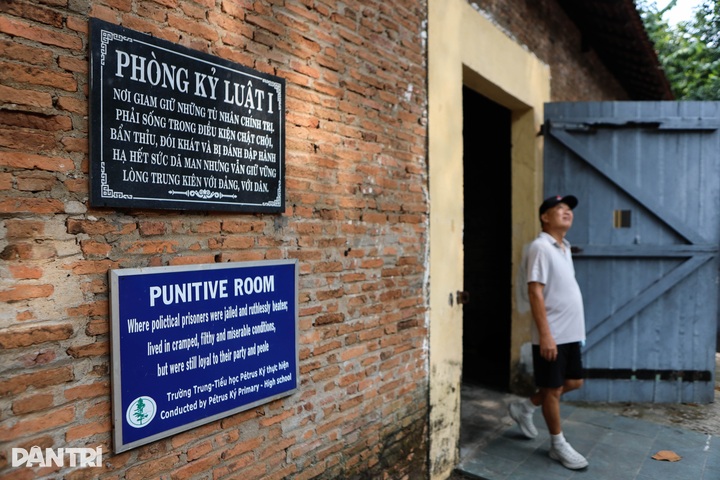

Phu Loi Prison was designated a national historical site in 1980. Today, it serves as a significant educational and cultural destination, attracting visitors, students and tour groups seeking to understand Vietnam’s history.