Ogura Yasushi, 69, first visited Vietnam in 1995, travelling to Ho Chi Minh City and Can Tho. He quickly developed a deep affection for the country and went on to study Vietnamese while exploring regions across Vietnam.
In 2012, he arrived in Lo Lo Chai Village in the former Ha Giang Province, now part of Tuyen Quang Province, where he was struck by the traditional architecture of ancient homes and distinctive stone fences.
During that visit, he entered the home of Diu Thi Huong as the family was having lunch. The simple meal consisted only of vegetables with chilli, yet the hosts warmly invited him to join. Moved by their hospitality, he accepted.
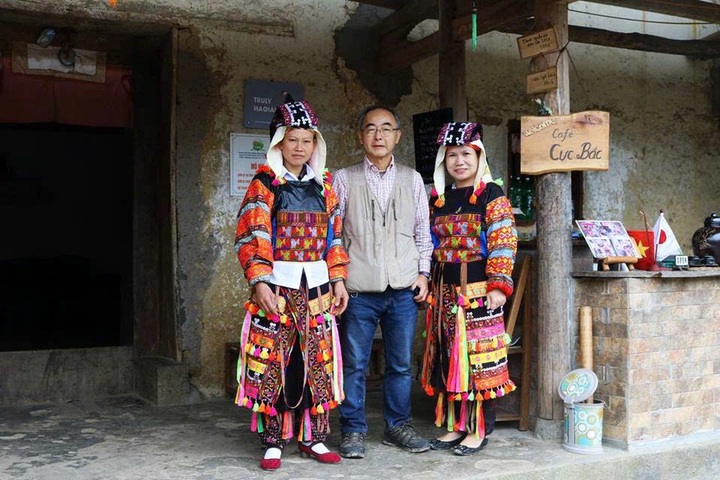
“It was not a special meal, but we shared a very happy moment. Perhaps this is one of his most memorable experiences, feeling the warmth of people here,” Huong recalled.
After the visit, Yasushi reflected deeply. He recognised the village’s strong cultural identity but also the economic hardship and lack of jobs. He decided to return repeatedly to better understand the situation.
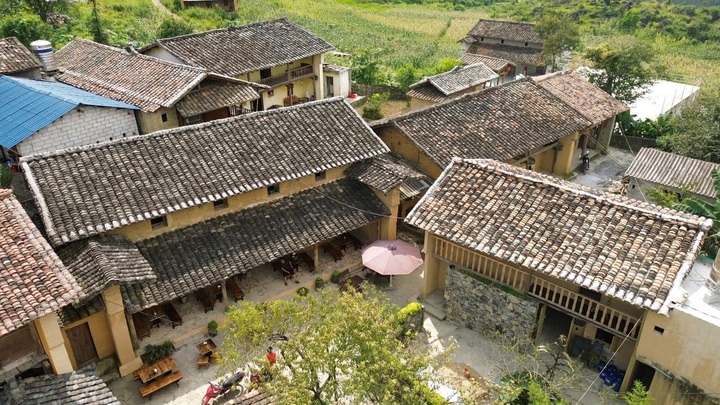
Following several survey visits, he chose Huong’s home to invest around VND 200 million (approximately USD 8,000), a significant sum locally at the time, to open the Cuc Bac Cafe. The house, one of the village’s oldest, retained its traditional stone walls and spacious courtyard.
The structure was preserved, with only the bathroom renovated and a small coffee counter built on the veranda. Yasushi later brought a volunteer to teach the family how to prepare simple drinks such as coffee and tea.
The cafe opened in 2014, initially welcoming Yasushi’s friends. Visitors began filming and sharing their experiences on social media, gradually bringing wider attention to lo lo chai.
“He later guided us to renovate further and develop homestay services. Once everything was stable, he handed over the business to our family,” Huong said.
As visitor numbers grew and demand for overnight stays increased, Yasushi continued supporting other households to establish homestays.
Sinh Di Gai, the village's head, said Yasushi approached him in 2015 with an offer of support. He contributed VND 95 million (approximately USD 3,800) to renovate sanitary facilities and improve guest spaces while preserving traditional lo lo architecture.
“He visited each household, advising what to keep and how to develop tourism,” Gai said.
Initially relying on interpreters, Yasushi later travelled alone as his Vietnamese improved. For a period, he visited Ha Giang almost monthly to monitor progress and advise residents on tourism development.
“Only a deep love for Ha Giang and a passion for local culture could explain his more than 100 visits,” Huong said.
In an interview with NHK World, Yasushi said that as early households began earning from tourism, others followed.
“The most important thing is that they do it themselves and preserve it,” he said.
For Huong, the Japanese visitor laid the foundation for the village’s transformation. Tourism has significantly improved local livelihoods.
Today, her family’s cafe is a popular destination, receiving between 2,000 and 3,000 visitors per month. Guests can enjoy mountain views, observe traditional earthen houses, stone fences and wooden gates, order drinks by ringing a bell, and watch locals weaving brocade.
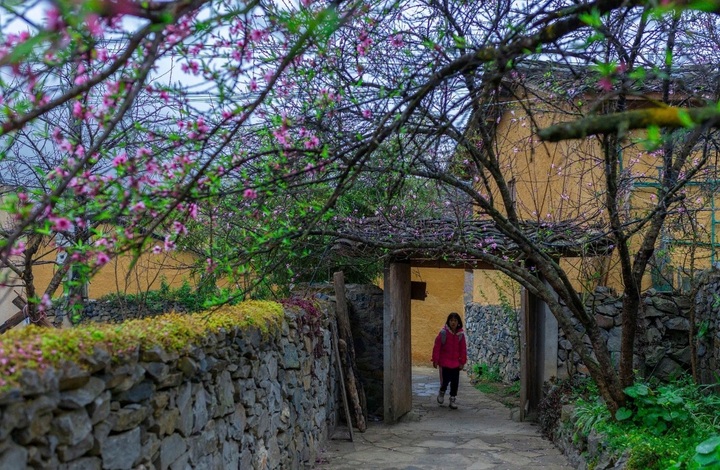
According to Gai, 56 out of 120 households in Lo Lo Chai now participate in community-based tourism, including homestays and cultural services. The village has also attracted strong visitor numbers after being named one of the world’s best tourism villages.