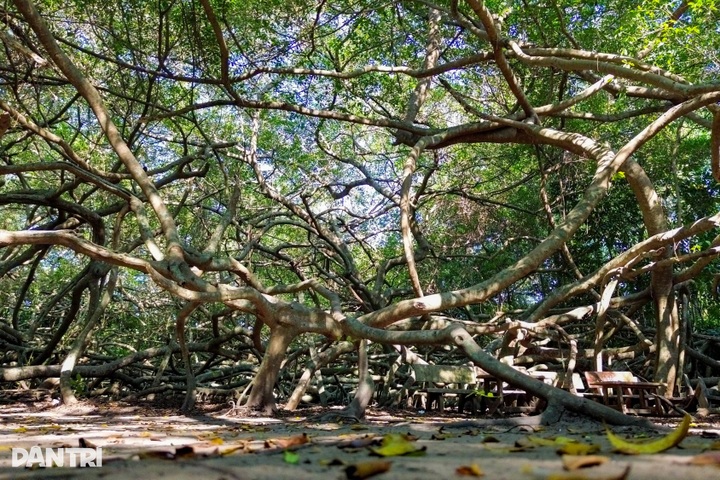
Located about 12 km from the city centre, the Gian Gua historical site in Nhon Ai Commune features a centuries-old banyan tree that once sheltered revolutionary forces and stored weapons during wartime.
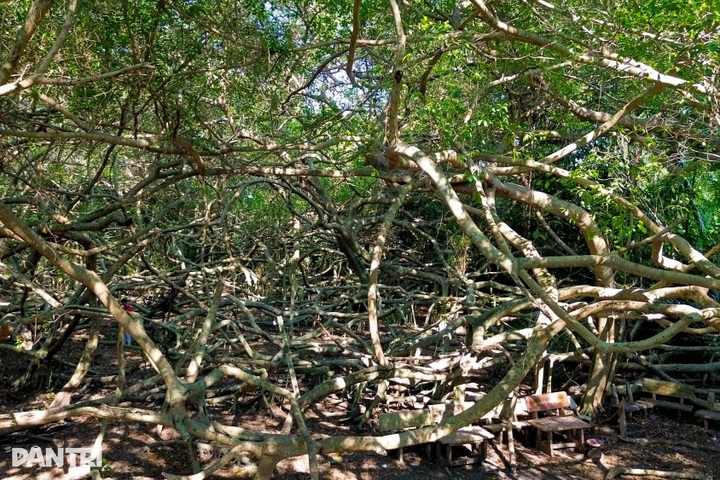
The grove was once much larger but was heavily damaged by bombing during the American War. Its area was reduced to about 2,740 square metres before gradually recovering to around 4,000 square metres today.
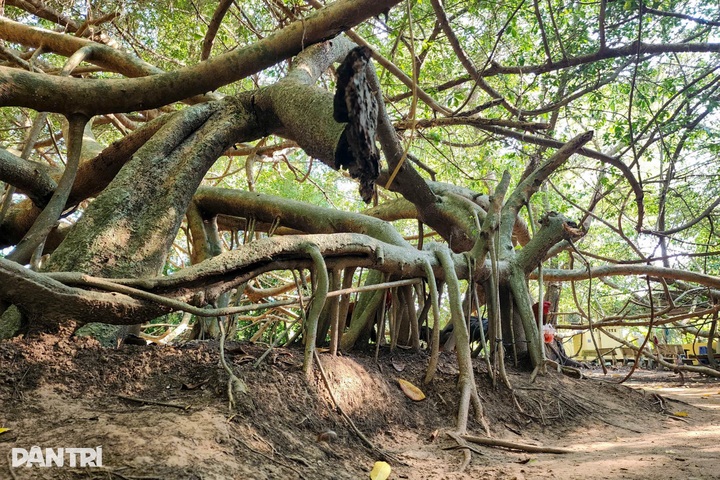
Banyan trees typically grow tall, reaching up to 30 metres, with aerial roots dropping from branches into the soil. However, the tree at this site spread horizontally, with trunks extending outward while roots anchor into the ground and intertwine, forming a natural lattice like a green enclosure.
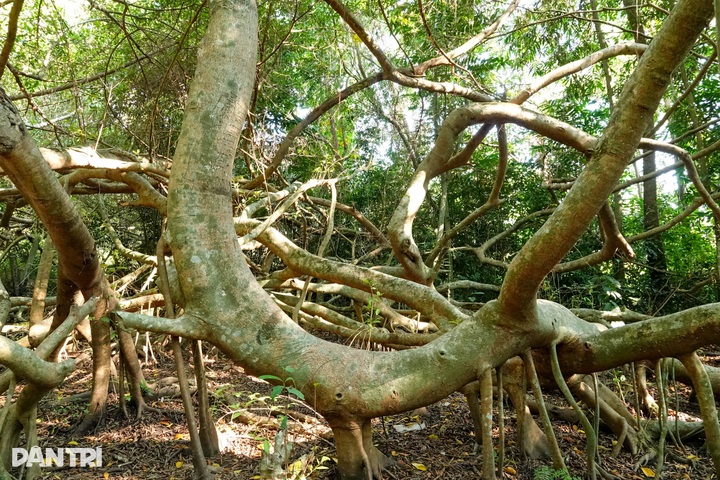
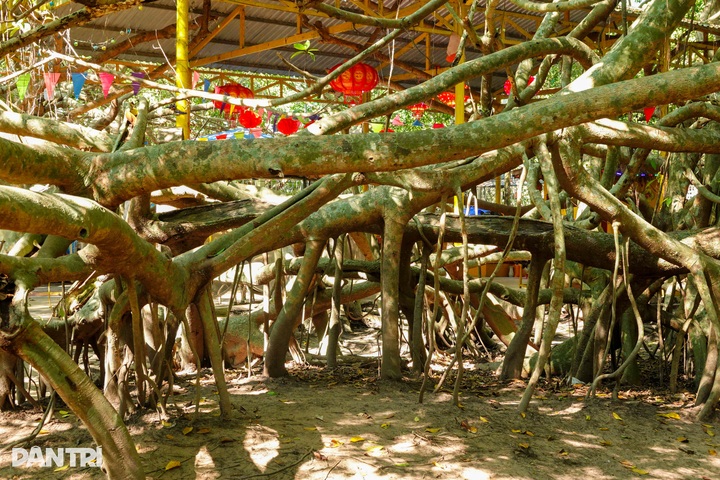
According to the site’s management board, in 1968 US forces shelled the area, damaging the main trunk. Over time, surrounding roots continued to grow and regenerate, and a central trunk was later reconstructed by locals.
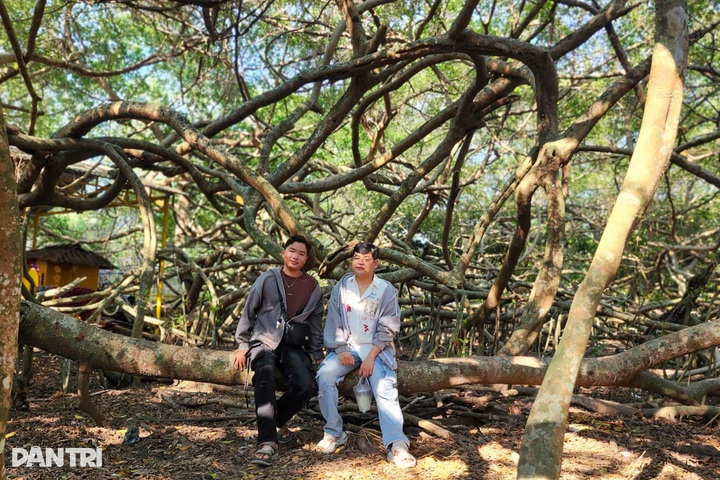
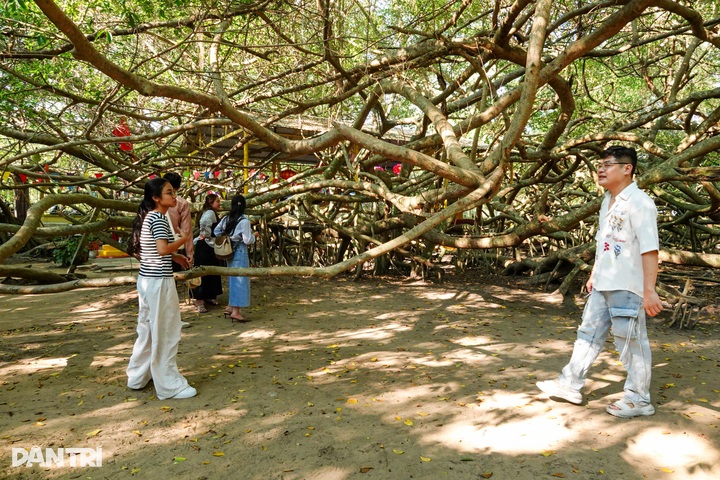
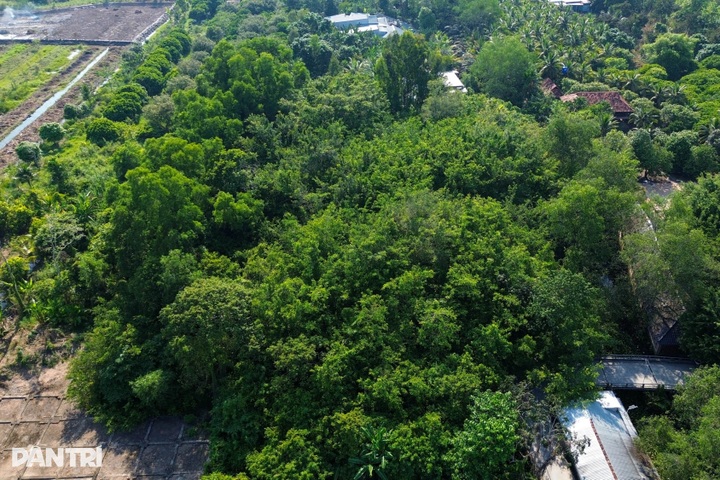
Recognising its historical significance, authorities in Can Tho have designated Gian Gua as a city level historical site. Around the same time, the banyan tree was also recognised as a Vietnam Heritage Tree by the Vietnam Association for Conservation of Nature and Environment.