The scheme, approved by the prime minister, seeks to shorten customs clearance times and lower expenses for clearance, terminals, transport and border services by about 30 to 40 per cent, while ensuring smooth cargo flows and limiting supply chain disruptions during natural disasters or epidemics.
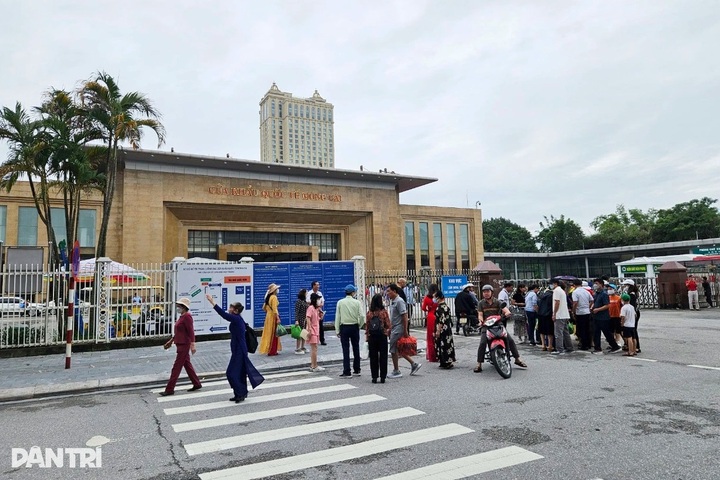
By 2030, clearance capacity at the Mong Cai International Border Gate is expected to increase to around three times the current level.
The smart border gate project will be developed through the application of modern science and technology to immigration control at the Bac Luan I bridge and to the control of vehicles and import export goods at the Bac Luan II bridge.
The pilot model will operate within a separate, closed area and apply to selected categories of goods during the trial period, while traditional cargo handover methods will continue in parallel.
Goods selected for smart clearance include agricultural products such as fruit and vegetables, frozen seafood, electronic goods and electronic components from Vietnam, along with electronic products and components exported from China, as well as other items to ensure the effectiveness of the scheme.
The pilot programme will run until December 31, 2030.