 |
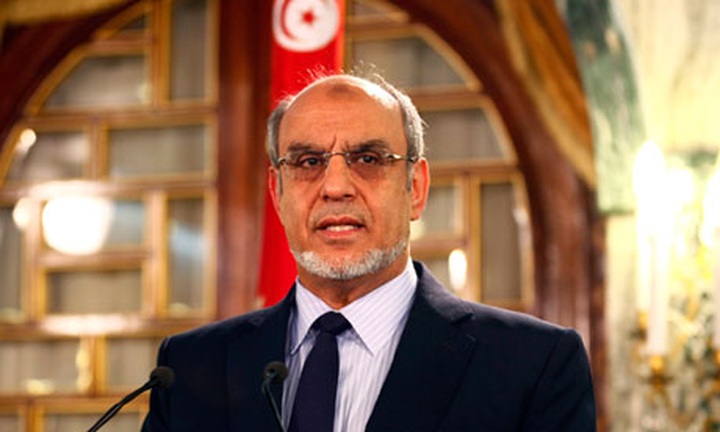
| Tunisian Prime Minister Hamadi Jebali |
"I promised and assured that, in the event that my initiative failed, I would resign as head of the government, and that is what I have done," Jebali told a televised news conference after meeting with President Moncef Marzouki.
Jebali said he would not lead another government without assurances on the timing of fresh elections and a new constitution.
Jebali's political future was put in jeopardy after his Ennahda party, which dominates the government, rejected his plan for a non-partisan cabinet. Ennahda maintained that the country still needed a government of politicians.
Jebali had hoped that a cabinet of independent technocrats would help end weeks of protests and political turmoil that erupted following the assassination of a high-profile secular opposition politician, Chokri Belaid, on February 6.
“The proposition to replace the ministers with technocrats was supposed to free up the ministers so they could focus on the work of writing the constitution,” said Mischa Benoit-Lavelle, FRANCE 24’s correspondent in Tunis.
Jebali’s resignation is symptomatic of “the lack of clear political boundaries and prerogatives in Tunisia”, Benoit-Lavelle said.
Tunisians toppled former president Zine El Abidine Ben Ali in January 2011, and the country’s transition to democracy since has been marked by economic woes and civil unrest.