
On May 27, police in Thanh My Tay Ward said the 11 Chinese citizens had been handed over to investigation units under Ho Chi Minh City Police for further handling in accordance with the law.

Earlier, ward police inspected an apartment identified as L6-XX-XX and found 11 Chinese men staying there without temporary residence registration.
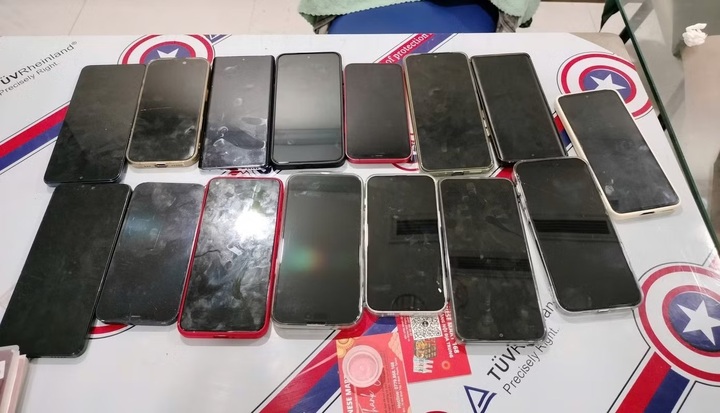
At the scene, officers also discovered numerous electronic devices including mobile phones, tablets and laptops suspected of being used for high tech criminal activities.
Initial investigations showed the group entered Vietnam on electronic tourist visas. However, authorities found they had engaged in activities not permitted under their visa purpose.
According to Thanh My Tay Ward Police, recent cases involving foreigners taking advantage of entry and residence in Vietnam to conduct online fraud and cybercrime activities have become increasingly complicated, affecting public security and social order.
Police urged residents to remain vigilant for suspicious signs such as apartments operating in a closed manner, frequent door closures, multiple occupants without proper temporary residence declarations, continuous use of electronic devices day and night and unusual financial transactions through multiple bank accounts.
Authorities advised residents to promptly report suspicious cases to police for timely inspection and handling.
Thanh My Tay Ward Police said they would continue implementing measures during an ongoing 45 day campaign to maintain security and social safety in Ho Chi Minh City.
Just days earlier, Ho Chi Minh City Police coordinated with other units to uncover 85 foreigners illegally residing in a hotel, including 17 people who had entered Vietnam through unofficial border crossings from Cambodia and China.
The group had reportedly rented the Bao Ly Hotel for about VND 315 million (approximately USD 12,100) per month as accommodation and a site to store networking equipment transported from Cambodia into Vietnam.
Police said the suspects were discovered while installing equipment believed to be intended for operating a fraud network.