
At 9 pm, after the last customers finish their bowls of ramen, Luong Van Ha closes his small restaurant, Ha Chan Ramen, in Tokyo, Japan. He and his staff quickly clean the kitchen, wipe tables and prepare ingredients for the next day’s service.
The restaurant has been open for three years and regularly draws long queues from early morning. Customers who arrive late often leave disappointed because the soup stock has already sold out.
Ramen is considered a national dish in Japan, traditionally made with chewy wheat noodles served in broth simmered from pork, chicken or fish bones. Bowls are typically topped with seaweed, boiled eggs, spring onions and slices of meat.
“When I first came to Japan, I only planned to work for a few years, save some money and return to Vietnam to start a business,” Ha told Dantri. “But the first bowl of ramen I ate in Tokyo changed the direction of my life.”

Ha believes ramen has transformed his life and career
A turning point over a bowl of ramen
Ha was born and raised in Haiphong City in a family with four children. Although he loved cooking as a child, he never imagined becoming a professional chef.
In 2008, after finishing high school, he travelled to Taiwan to work at a factory producing bubble tea, hoping to earn money to support his parents. After three years, he moved to Japan to study the language and information technology, aiming to secure a good job back in Vietnam.
He initially enrolled at a language school in Sasebo, Nagasaki prefecture, a quiet rural area surrounded by mountains where residents were sparse and the nearest supermarket was 4 to 5km away by bicycle.
“Seeing such a remote countryside environment made me feel disappointed,” he recalled.
That feeling became motivation. Determined to find more opportunities, he graduated from the language school a year early and moved to Tokyo.
While studying information technology in the capital, Ha worked part-time from 5pm to 10pm, earning about JPY 1,000 an hour (about VND 170,000).
After seeing a recruitment notice for a ramen shop called Honda Mendokoro in central Tokyo, he decided to apply and was accepted.
It was there that he tasted ramen for the first time.
“The flavour of the broth stayed in my memory for years,” he said. “After eating that bowl, I wanted to understand how chefs could create such a taste.”
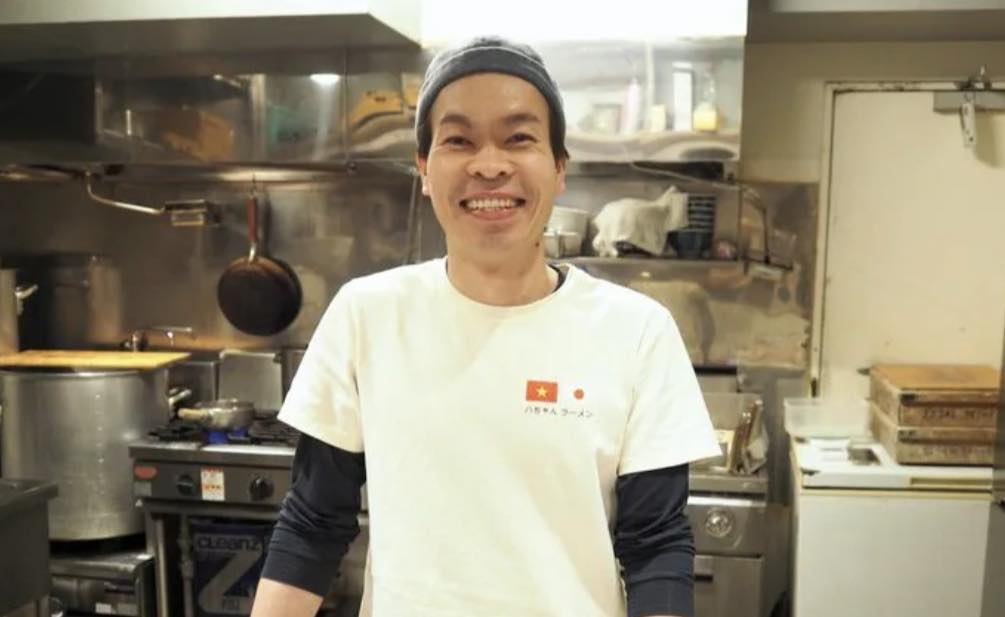
Ha stated that his biggest aspiration is to open a ramen restaurant in Vietnam (Photo: Supplied).
The restaurant was run by Yuki Honda, a well-known ramen chef in Japan who became a mentor to the young Vietnamese worker.
Besides working as a kitchen assistant, Ha was fascinated by the process of making broth. Whenever he had the chance, he asked about ingredients such as bones, meat and seasonings. Seeing his passion, the owner gradually shared many culinary secrets.
Working for a famous chef was not easy. Honda was strict and demanded precision in cooking. Many assistants left the job within six months because they could not cope with the pressure.
During nine years at the restaurant, Ha rarely made mistakes.
The most serious error he remembers did not happen in the kitchen. One evening he forgot to store ingredients properly before leaving to meet friends, and some food had to be discarded the next morning.
“Honda did not scold me, but the way he asked about the ingredients made me realise my mistake,” Ha said. “For me, he became a true mentor.”
Creativity and recognition
Honda often visited other ramen restaurants across Japan to explore new flavours, sometimes taking Ha along.
Through these trips, Ha discovered hundreds of variations of ramen broth using ingredients such as fish, pork, chicken and shellfish.
“Eating ramen was a way of learning,” he said. “I was lucky to taste hundreds of bowls across Japan.”
His dedication gradually earned the owner’s trust. After completing two years of vocational studies in information technology, Ha decided to focus entirely on ramen.
Recognising his potential, Honda gave him a special opportunity: every Wednesday he could create a new ramen dish for customers.
For six years, Ha developed more than 240 variations of ramen. At times he struggled for inspiration, but seasonal ingredients and guidance from his mentor helped him keep innovating.
He experimented with thicker noodles in clear broth, introduced stronger umami flavours and used cuts of meat rarely found in traditional ramen.
“A great bowl of ramen is not just about strong broth or perfect noodles,” he said. “The key is balance.”
In 2019, he was promoted to head chef, responsible for supervising staff and determining the restaurant’s menu.
“Honda is like an older brother to me,” Ha said. “He opened a completely new path in my life.”
Queues of customers and debts repaid in a year
After nine years working with Honda, Ha became one of the restaurant’s key figures and earned more than VND 100 million a month, a dream income for many Vietnamese workers in Japan.
Yet he wanted to create something of his own.
Encouraged by his mentor, Ha decided to open his own ramen shop despite the financial risks.
To start the business, he used his savings and borrowed from friends and family, raising about VND 2 billion (about USD 78,500).
He rented a small 30 square metre space in central Tokyo for more than VND 50 million a month (about USD 1,960). The restaurant has only seven seats and a small kitchen counter.
Thanks partly to the reputation of his mentor, Ha Chan Ramen attracted large crowds from its first day. About 70 to 80 people queued outside on the opening morning.
Initially the shop served only one type of ramen so the staff could adapt to the pace of work. Today the menu includes five varieties.
Ha’s reputation grew further after he won second prize in a national ramen competition in Japan. Within one year, strong sales allowed him to repay all the money he had borrowed.
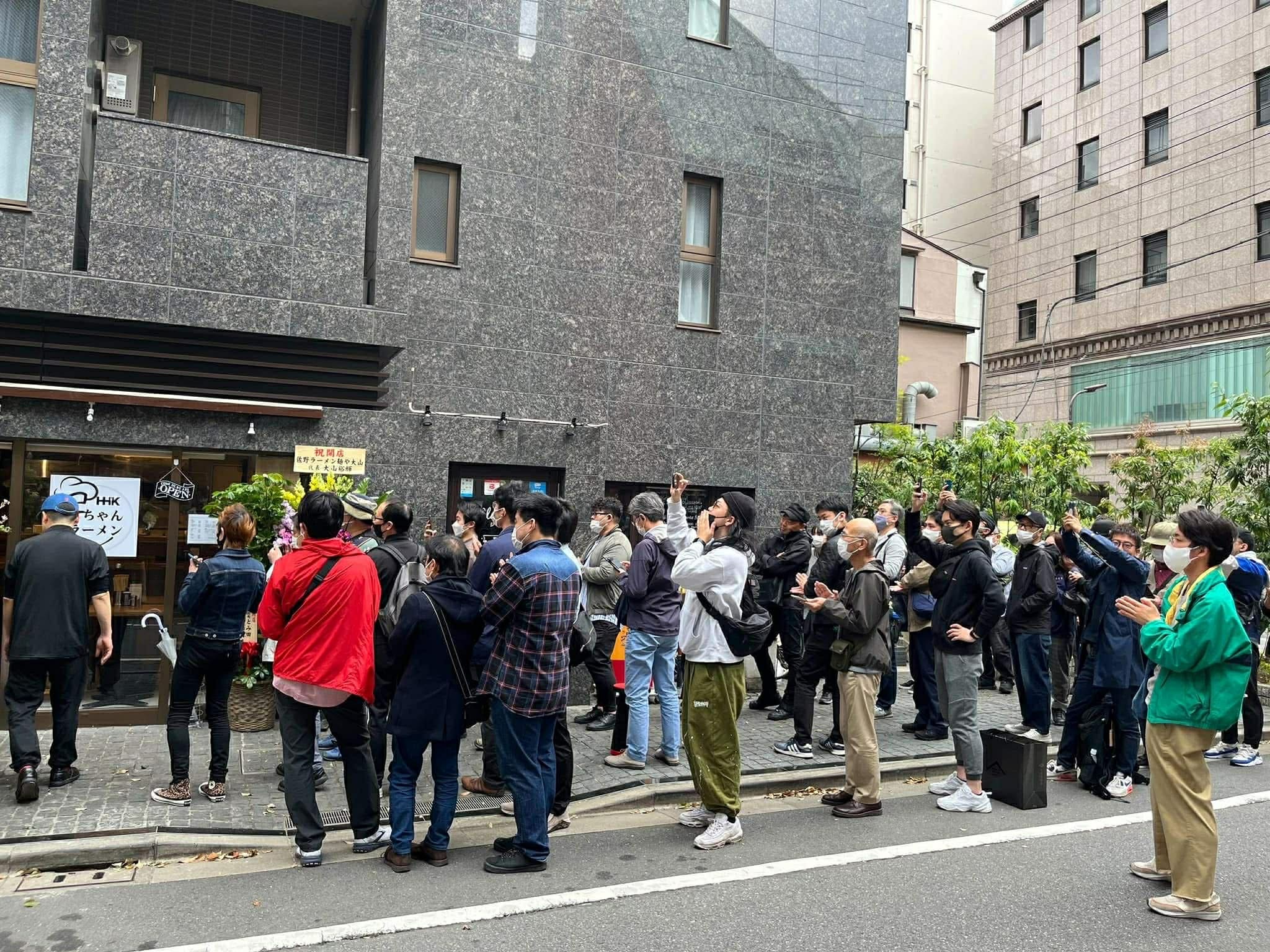
Customers queue to eat ramen at Ha's restaurant (Photo: Supplied).
The restaurant now sells about 200 bowls a day and generates revenue worth billions of Vietnamese dong annually.
Some loyal customers visit daily and order two bowls each time, he said.
Building a distinctive flavour
Creating a unique identity in Tokyo’s competitive food scene is not easy, especially for a foreign chef.
Ha’s signature ramen features a broth built from three layers of flavour using chicken, fish and seafood.
Each broth is simmered separately before being blended in precise proportions. Differences in temperature and seasoning allow diners to experience shifting flavours from the first sip to the last.
All ingredients used at the restaurant are premium Japanese products. As a result, prices range from JPY 1,000 to 1,200 per bowl (about VND 170,000 to VND 190,000), while special bowls cost up to JPY 1,600 to 1,700 (about VND 260,000 to VND 270,000), slightly above the average price in Tokyo.
“I choose Wagyu beef, which costs three to four times more than regular beef, along with high-quality Japanese pork,” Ha said.
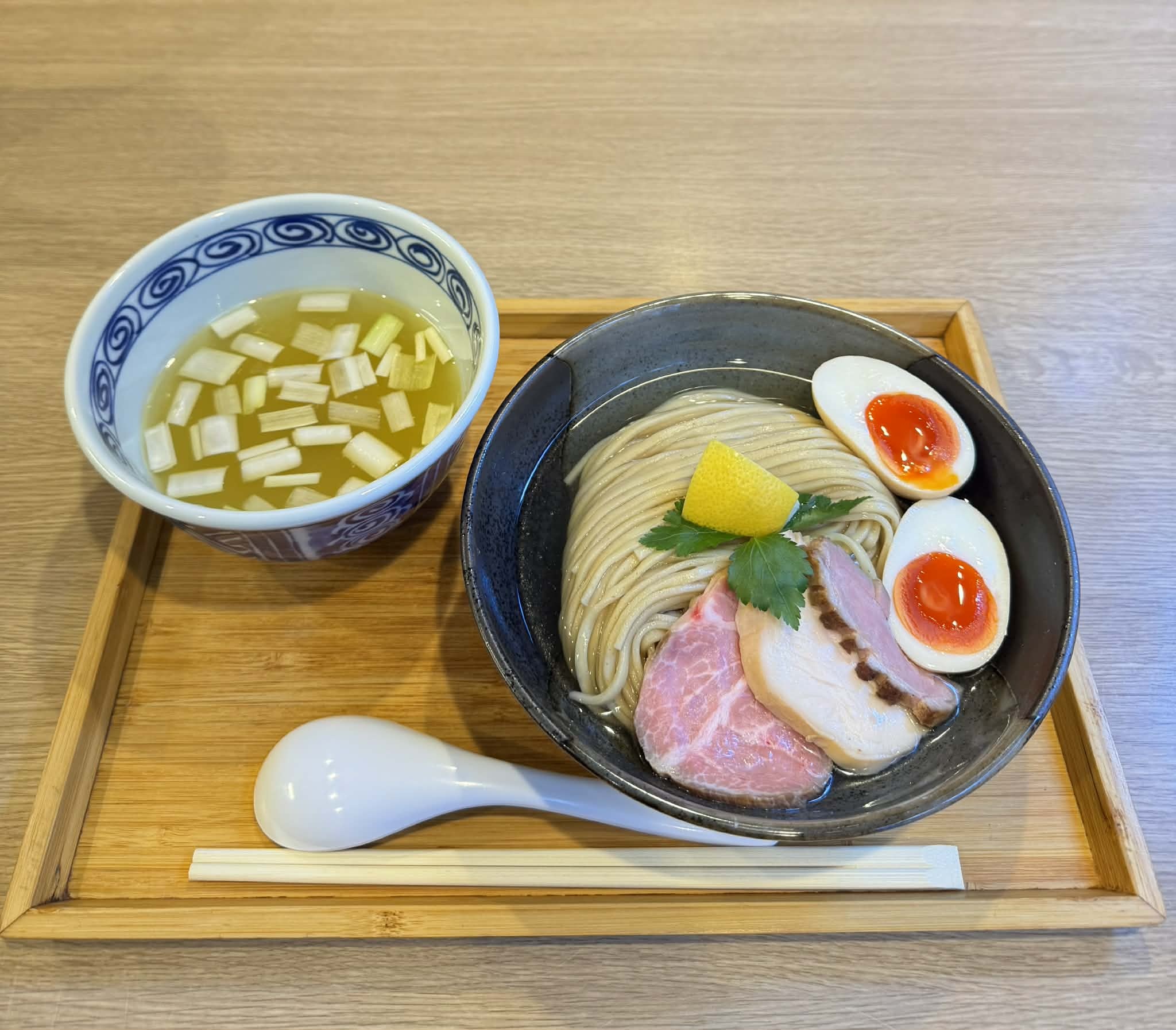
A serving of ramen at Ha's restaurant
A few months ago he opened a second ramen shop in Tokyo, marking the next stage of his business journey.
In April, Ha Chan Ramen will celebrate its third anniversary, a milestone that carries symbolic significance in Japan. Restaurants that survive their first three years are widely considered to have established their reputation and gained customer trust.
Looking back on his journey, Ha said ramen may not be everything in his life, but it completely changed his career.
“I can say ramen transformed my life,” he said.
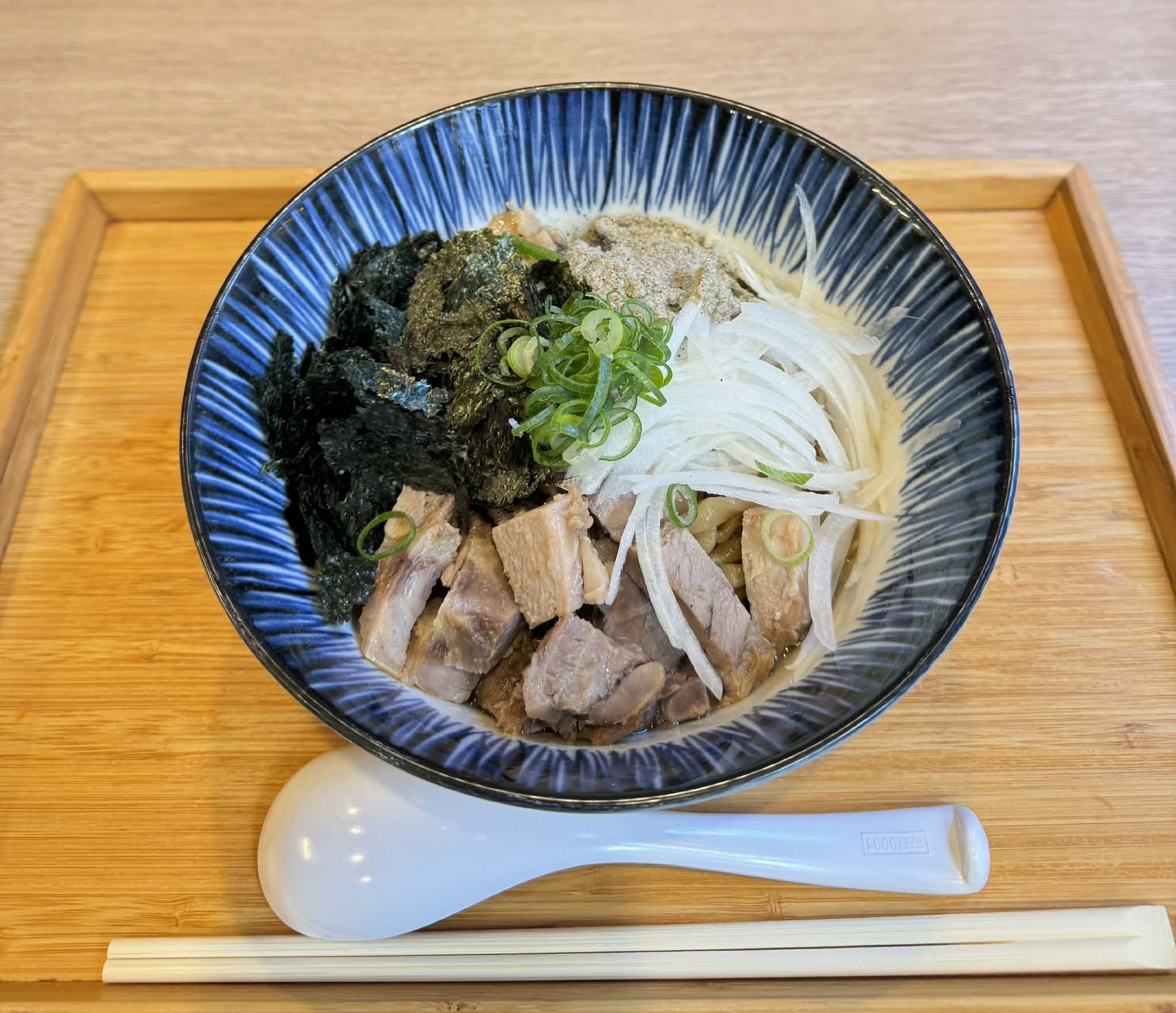
Ingredients used in the ramen bowls at the restaurant are carefully selected and of premium quality
He now trains Vietnamese apprentices interested in opening restaurants in Japan. Five students have already completed his training and successfully launched their own businesses.
Ha is married to a Vietnamese woman and lives happily with his family in Japan, although he has not yet decided whether to settle there permanently.
Despite living abroad, he says his heart remains connected to Vietnam.
“My biggest dream is to open a ramen restaurant in Vietnam that recreates authentic Japanese flavours at about 90 per cent accuracy,” he said.