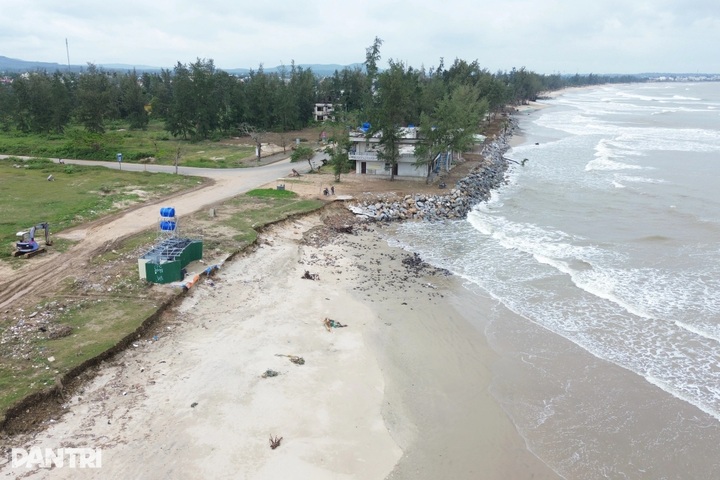
Stretching about 7 km in Tinh Khe Commune, My Khe is one of the province’s best-known beaches. In recent years, the sea has advanced inland by 1-2 metres annually, raising fears the coastline could eventually disappear.
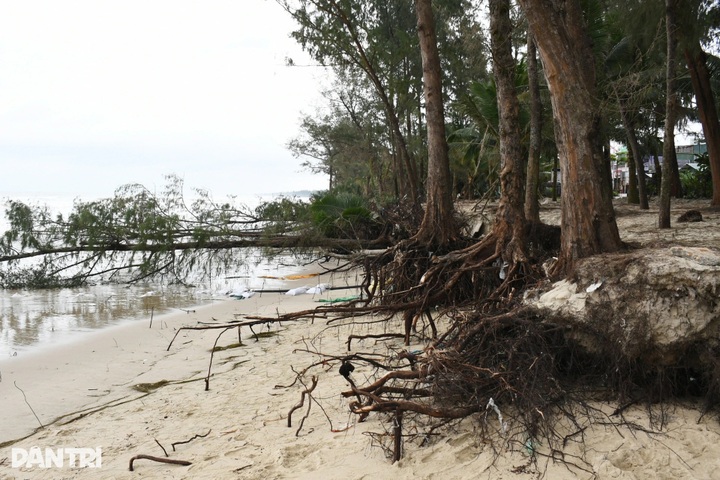
Residents said erosion has worsened sharply since Typhoon Kalmaegi, with waves battering a roughly 2-km stretch from the main bathing area southwards. Protective casuarina forests and dozens of coconut trees that once lined the shore have been torn out by the roots.
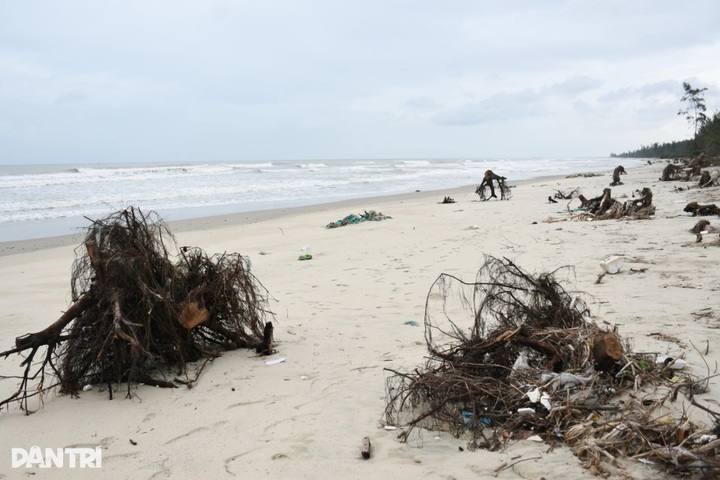
“Twenty-year-old casuarina trees have all been uprooted,” said Nguyen Tuan Anh, a local resident. “In some places, the waves have cut to within just 5-7 metres of the road. If this continues for a few more years, nothing will be left.”
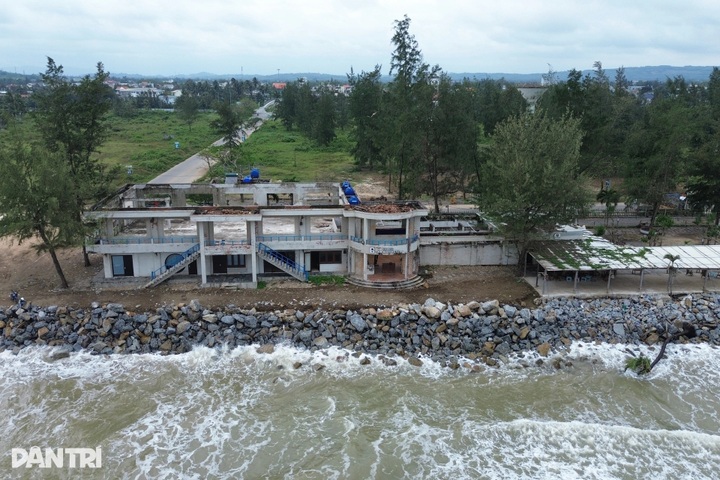

The erosion is threatening beachside stalls and tourism facilities. Temporary rock embankments built by residents have failed to hold back the sea, with waves washing away even large stones.
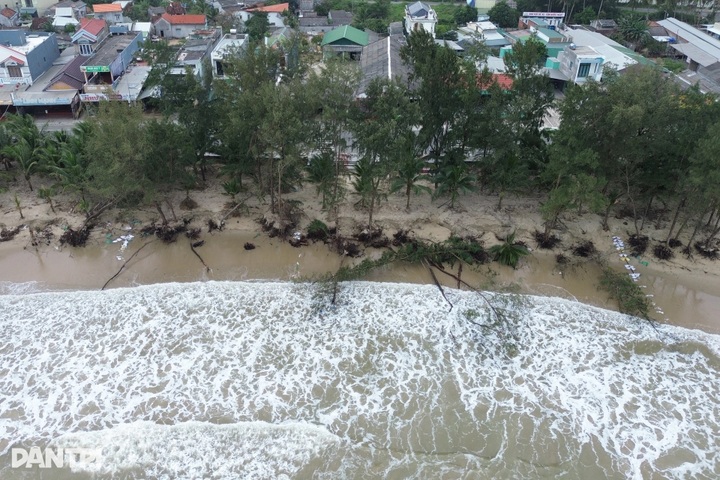
During December 21-22, high tides toppled dozens more trees in the central beach area, a popular swimming spot that attracts tens of thousands of visitors each year. The eroded section is now only 6-7 metres from the roadway.

In February, local authorities deployed 21,000 sandbags to form a temporary barrier, but it was quickly swept away.

Pham Quoc Vuong, chairman of the Tinh Khe People’s Committee, said coastal erosion was accelerating and threatening homes in An Ky and An Vinh villages, as well as tourism infrastructure.

“Only a proper sea wall can protect the beach,” Vuong said, adding that the commune had urged provincial authorities to invest in coastal defences to safeguard communities and support tourism development.