Vietnam Oil and Gas Group (PVN) is seeking approval to lower tax rates at Dung Quat Oil Refinery because of a lack of competitiveness against imported fuels.
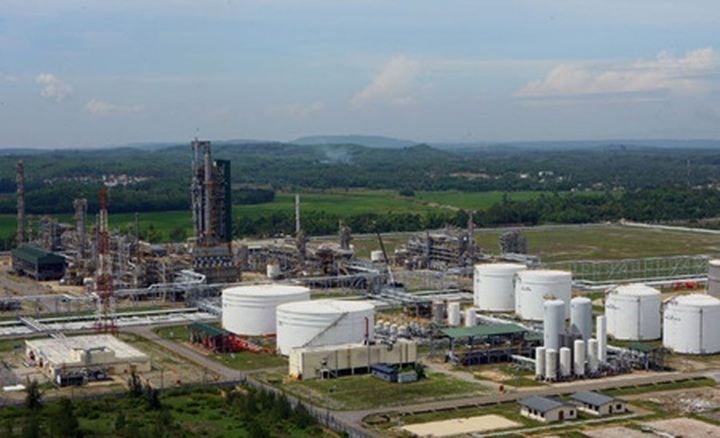
Dung Quat Refinery
PVN has claimed in a report to the Government Office that tax policies are having a negative impact on the operation of the Dung Quat Refinery.
According to PVN, the oil refinery was facing with high inventories because its products could not compete with imported goods. The diesel and mazut import taxes from ASEAN countries was cut to 5% and 0% from January 1 this year in accordance with the ASEAN Trade in Goods Agreement. However products from Dung Quat are still bizarrely subject to an import tax of 10%, forcing a number of local businesses that bought petroleum from Dung Quat to choose other sources.
Since March, several big customers including Petrolimex have reduced its orders.
Since mid-August, the demand for diesel in Vietnam has been on a downward trend so businesses prefer imported options because of tax incentives. Dung Quat is facing challenges since diesel is its main product. The refinery produces 3.3 million tonnes per year, accounting for half of its total output.
It is estimated that the inventory at Dung Quat will reach 110,000 cubic metres and if customers postpone their order until next year then the inventory would reach 190,000 cubic metres, with Dung Quat's inventory's capacity of only 150,000 cubic metres.
Dung Quat Refinery uses high quality crude oil and its other logistic costs are also high. Moreover, under special treatment approved by the Ministry of Finance in 2012, domestically produced petrol at Dung Quat Refinery is allowed to include import taxes in its prices. If the general import duties are lower than the incentives then government will have to make up for the gap.