The directive, outlined in Resolution No. 01/NQ-CP dated January 8, ushers in a pivotal development phase for the country. The year 2026 will see the 14th National Party Congress, National Assembly elections and the rollout of a five-year economic plan to sustain double-digit growth through 2030.
The Government framed the target as both necessary and achievable despite acknowledging significant headwinds.
"The Party has directed, the Government has agreed, the National Assembly supports, the people back it, the Fatherland expects it, and friends are helping, so we only discuss doing it, not stepping back," the resolution states.
The growth target positions Vietnam among the world's fastest-growing economies if achieved, though it represents a significant acceleration from the estimated 8 per cent expansion in 2025.
The ambitious goal comes as Vietnam navigates what officials characterise as a complex global environment with heightened risks. Domestically, the country faces mounting challenges from climate change, natural disasters and non-traditional security threats, even as it seeks to build on strong economic momentum from 2025.
Structural transformation at the core
At the heart of the government's strategy is a fundamental shift away from traditional growth drivers toward an innovation-based economy.
Officials are calling for a restructuring around productivity gains, digital transformation and science and technology development, moving beyond the investment, consumption and export model that has powered Vietnam's rise in recent decades.
The resolution identifies 12 key areas for action, with institutional reform topping the list. The government plans to streamline administrative procedures, strengthen decentralisation and hold leaders more accountable for results while tightening discipline across the bureaucracy.
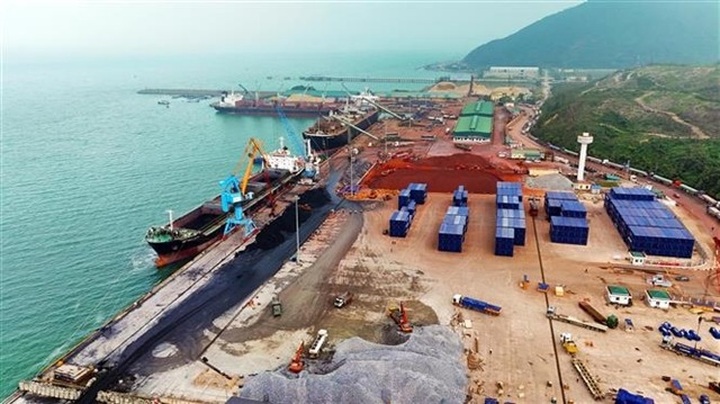
Major infrastructure investment will anchor the growth push, particularly in strategic transport projects including national rail networks, international airports and seaports. Energy infrastructure and cross-regional connectivity projects are also prioritised, with officials pledging to adjust planning frameworks to match evolving conditions.
A breakthrough in science, technology and innovation lies at the heart of the blueprint.
The government is targeting the development of high-quality human resources, particularly in semiconductors, artificial intelligence, and chip manufacturing - sectors where Vietnam is seeking to climb the value chain.
While pursuing rapid expansion, authorities also emphasised maintaining macroeconomic stability, controlling inflation and keeping public debt and budget deficits within prescribed limits. The resolution calls for responding effectively to fluctuations in global trade and economic conditions while exploiting both traditional and new growth engines.
The government also stressed the need to combat corruption, waste and vested interests - long-standing challenges in Vietnam's political economy - while strengthening oversight mechanisms amid expanded decentralisation of authority.
Provincial governments have been directed to review their resources and growth potential by February 2026, reporting to local legislative bodies on adjustments needed to align with the national target. This represents a coordinated effort to ensure regional economic plans support the overall objective.