Easing inflation and improvements in the trade balance suggest that Vietnam's economy is stabilising, but authorities need to double their commitment to the "Resolution 11" policies to maintain this progress, Fitch Ratings has said.
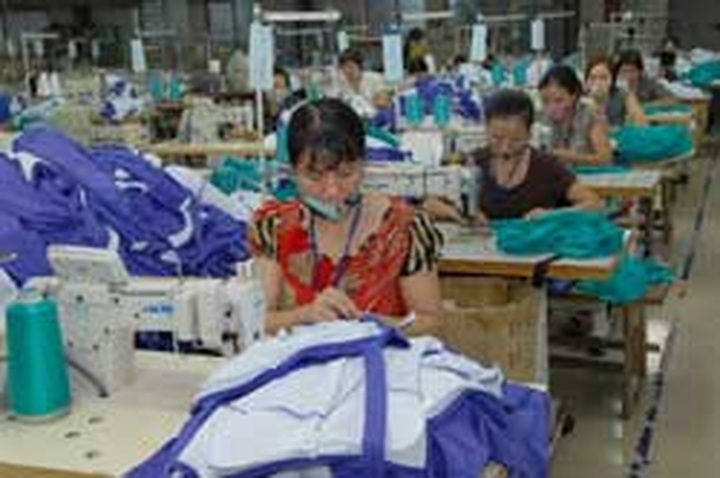 |
| Workers of Nam Dinh Textile and Garment Co make clothes for export . Fitch Ratings suggests that Vietnam needs to strengthen its commitment to budget cuts to maintain its economic stability. — VNA/VNS Photo Danh Lam |
The global rating agency said the drop in inflation and strength of external finances indicated that Resolution 11 was gradually paying off. A cooling economy and improved trade position were helping stabilise the exchange rate, and a more stable Vietnamese dong could provide additional help in containing inflation.
There is a strong possibility that the smaller trade deficit means the country's FX reserves remain fairly healthy, lessening the risk of a balance-of-payments crisis. This probable result would also build on the increase in official reserves to USD15.2 billion at the end of September, from USD12 billion at the beginning of the year.
"We rate Vietnam ‘B+' with a Stable Outlook. Due to the risks from inflation, which remain very high relative to GDP growth, and the challenges of cooling an economy that has been overheated since 2008, we will continue to monitor the implementation and results of the Resolution 11 policies closely in our assessment of Vietnam," Fitch Ratings said on its website.
Vietnam's trade deficit for January and February totalled $628 million, the General Statistics Office said, down from nearly USD1.99 billion in the same period last year. The consumer price index (CPI) rose 16.4 percent year-on-year in February, down from 17.3 percent in January.