Dr. Care Implant Clinic, located in Vinhomes Central Park in former Binh Thanh District, is among a small number of facilities in the city focusing exclusively on dental implant procedures.
As demand rises with an ageing population and increasing need for permanent tooth replacement, the clinic has adopted a single-specialty model, concentrating on treatments ranging from single-tooth implants to full-arch restorations such as All-on-4 and All-on-6.
According to its operators, this approach allows deeper investment in training, technology and treatment planning compared with multi-service dental providers.
“Specialization allows us to invest deeper in training, technology, and treatment planning, rather than spreading resources across a broad menu of dental services,” a representative said.

The clinic uses implant systems from Straumann of Switzerland, Neodent and Osstem of South Korea, alongside a fully digital workflow covering 3D imaging, treatment planning, guided surgery and in-house prosthetic fabrication.
Technologies include cone-beam CT imaging, DCARER dynamic navigation for real-time surgical guidance, and CAD/CAM design systems. The navigation system enables clinicians to track implant placement in real time, improving precision in cases involving limited bone volume or proximity to nerves and sinuses.

The clinical team is led by Dr Doan Vu, MSc, senior dental specialist level II and member of the ITI Club HCMC Chapter, and Dr Nguyen Trung Khanh, specialist level I. Both are licensed by the Ho Chi Minh City Department of Health. The clinic operates under licence GP 05791/HCM-GPHD.
Vietnam is becoming an increasingly popular destination for dental tourism, with implant costs typically 50–70 per cent lower than in Australia, the United States or the United Kingdom, while using internationally recognised materials and protocols.
Dr. Care has reported a steady rise in patients from these countries, as well as overseas Vietnamese returning for treatment.
To support international patients, the clinic offers a four-phase treatment pathway: online consultation before arrival, implant placement during the first visit, remote monitoring during the three-to-six-month healing period, and a return visit for final prosthetic restoration.
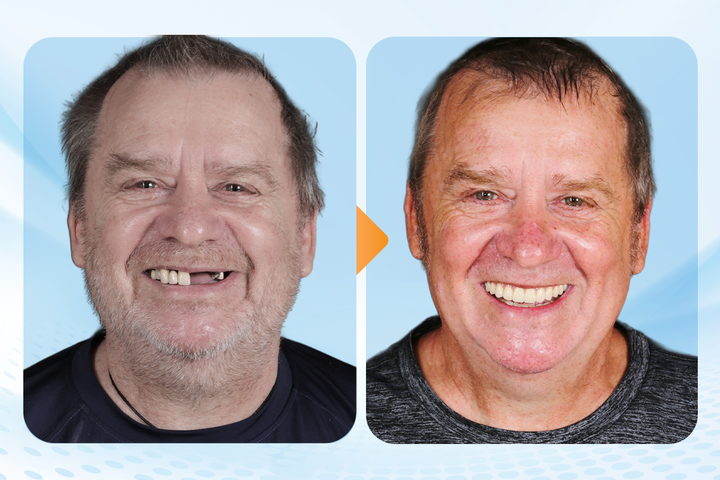
Norbert Eberhardt, a 65-year-old German patient who underwent full-arch implant treatment at the clinic, said the quality of care compared favourably with options in Turkey and Germany at a lower cost.
As Vietnam’s medical tourism sector grows, specialised clinics with digital workflows and structured international programmes are positioning to serve a broader global patient base.