The central Vietnamese city plans to build on last year's average stay of 2.2 days and average spending of VND 2.6-2.8 million per visitor by promoting luxury resorts, golf, wellness, heritage, culinary and eco-tourism.
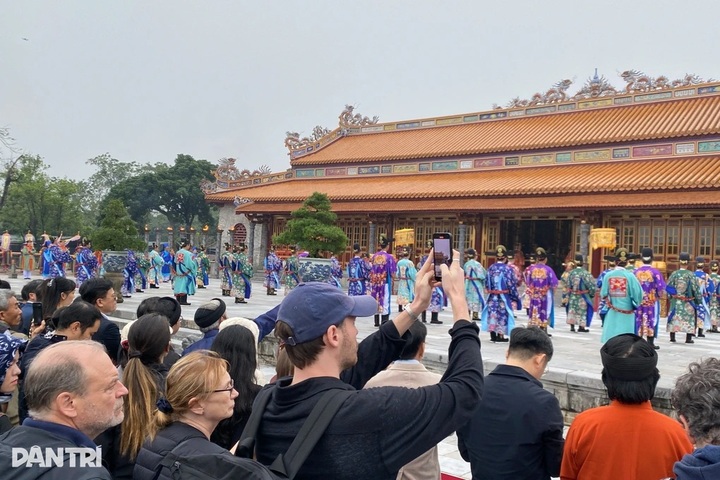
Authorities are also investing in tourism infrastructure, particularly night-time attractions. Existing entertainment areas include pedestrian streets along the Perfume River, the Pham Ngu Lao-Chu Van An-Vo Thi Sau nightlife area and Hai Ba Trung Street.
A new riverside night street along the Nhu Y River, backed by VND 180-200 billion (USD6.9-7.7 million) in private investment, will feature food, crafts and cultural performances while linking existing nightlife areas.
Hue also plans to invest VND 80 billion (USD 3.1 million) in artistic lighting around the Imperial Citadel, including the Imperial City, Ngo Mon Gate and surrounding areas, to enhance the city's night-time appeal.
Cuisine remains a key part of the city's tourism strategy. The Hue-Culinary Capital 2026 programme, themed around bun bo Hue, attracted around 48,000 visitors and generated about VND 12 billion (USD 460,000) in revenue over four days in July.
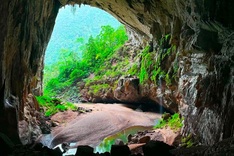
Beyond its UNESCO-listed heritage, Hue is promoting river, coastal and eco-tourism at destinations such as Lang Co Bay and Bach Ma National Park, while expanding wellness tourism based on its healthcare services and traditional medicine.