
A number of major gym chains in Vietnam, from California and Elite Fitness to CORE Fitness & Yoga, have recently closed or suspended operations, raising questions about the challenges facing the country's fitness industry.
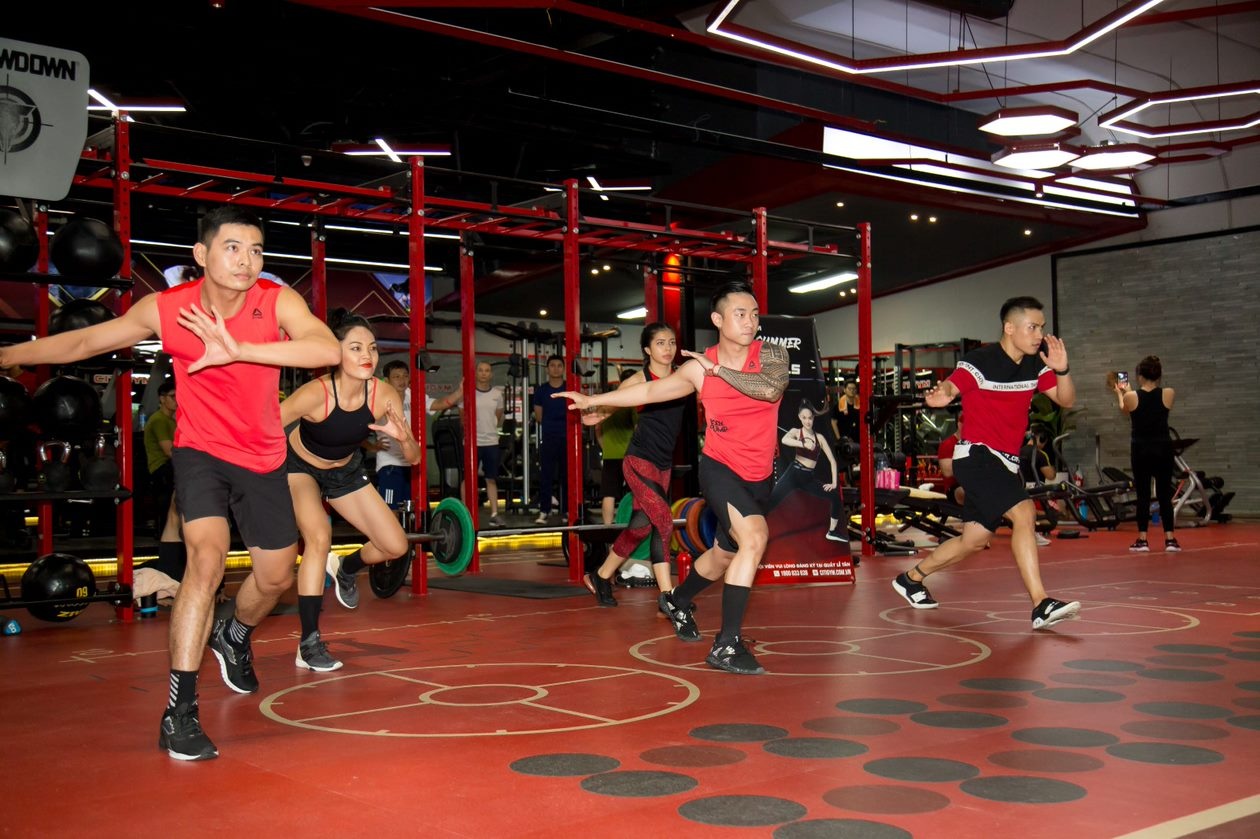
Fat-burning exercise at a gym (Photo: DT)
CORE Fitness & Yoga recently announced the temporary closure of its facility on Xo Viet Nghe Tinh Street in Ho Chi Minh City. On its Facebook page, the chain attributed the decision to difficult economic conditions that had directly affected its business and ability to maintain operations.
The closure follows a series of shutdowns by major fitness brands.
Last month, California closed two facilities in Ho Chi Minh City and two in Hanoi. The company said the closures followed a review of property lease terms, investment efficiency, operating models and its broader service development strategy.
Elite Fitness, a premium gym chain, also closed its final Ho Chi Minh City branch in June, ending the brand's presence in Vietnam's largest commercial market. The company said the decision was due to factors beyond its control.
The contraction of gym chains, however, began in the aftermath of the Covid-19 pandemic.
In 2024, Fit24, a premium fitness chain modelled on European standards, announced that it was suspending operations because of “objective and unavoidable reasons”. Getfit Gym & Yoga also announced a temporary suspension that year, citing circumstances beyond its control. The brand later resumed operations but maintained only two facilities in Ho Chi Minh City before eventually closing its final branch.
Le Thi Mai, chief executive of Citigym, told Dantri/Dtinews that gym chains had been weakened mainly by rapid expansion and high operating costs. When economic conditions deteriorate, consumer purchasing power falls and spending habits change, she said, making traditional operating models increasingly difficult to sustain.
Citigym is also under pressure, Mai said, but she views the current period of market consolidation positively.
“Market consolidation means the industry is returning to a more sustainable playing field, where the value delivered to customers is real,” she said. “People's demand for exercise and better health has not disappeared. What has disappeared is trust, and trust can only be rebuilt through quality, not promotions.”
Mai said businesses remaining in the market were moving quickly to restructure, streamline operations and invest in and standardise training programmes.
“Those who get through this period of consolidation will not simply survive; they will reshape the standards of the entire industry over the next decade,” she said.
The Southeast Asian health and fitness club market is forecast to grow from USD 2.68 billion in 2025 to USD 4.19 billion by 2030, representing average annual growth of 9.36 per cent, according to Mordor Intelligence.
The report identifies Vietnam as one of the markets benefiting from greater health awareness, a growing middle class and rising demand for specialised fitness services, including personal training, Pilates and boutique fitness.
Meanwhile, OMR Research forecasts that Vietnam's fitness market could reach approximately USD 3.78 billion by 2030, with a compound annual growth rate of 19.08 per cent between 2022 and 2030.
The figures suggest that demand for health and fitness services continues to expand, even as consumer preferences evolve.
Among Millennials and Generation Z, flexibility is becoming an increasingly important factor in choosing fitness services. Rather than committing to year-long memberships, many consumers prefer monthly or pay-per-visit options that can be adjusted to fit their work schedules and personal needs.
The chief executive of Citygym agreed that smaller and medium-sized facilities can offer advantages in the current environment by allowing operators to exercise greater control over property and staffing costs while reducing cash-flow pressures compared with mega-gym models.