Recent months have seen a wave of lenders and companies linked to prominent domestic billionaires stepping up global fundraising efforts.
HDBank, led by Nguyen Thi Phuong Thao, has announced plans to issue USD 300 million in international green bonds. The deal, developed in partnership with the London stock exchange, is expected to open broader access to foreign capital for Vietnamese firms. The bank has previously mobilised nearly USD 1 billion in green financing from international institutions.
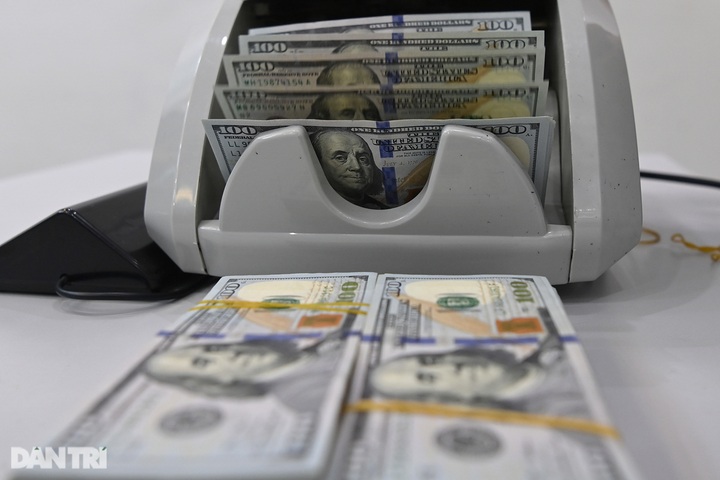
A series of banks and companies owned by Vietnamese billionaires are increasing foreign borrowing (Photo: DT).
VPBank, chaired by Ngo Chi Dung, has also unveiled a plan to increase charter capital in 2026 through a private placement to foreign investors, targeting total capital of more than VND 106,200 billion (approximately USD 4.25 billion).
Shareholders of VIB have approved a proposal to raise USD 1 billion from international markets, including bond issuance, aimed at diversifying funding sources, reducing reliance on domestic capital and optimising financing costs.
Le Quang Trung, deputy chief executive of VIB, said global funding costs have fallen to more acceptable levels for Vietnamese borrowers. In a recent test transaction of USD 500 million, several international financial institutions signalled readiness to participate. With USD interest rates around 5.75 to 6 per cent per year, these institutions could deploy billions of dollars into Vietnam.
Beyond banking, major conglomerates have also stepped up offshore fundraising since 2025. Vingroup, controlled by Pham Nhat Vuong, is planning to issue USD 350 million in international bonds after successfully raising USD 325 million through five year bonds listed in Vienna with an equity linked structure.
Masan, led by Nguyen Dang Quang, has similarly secured a USD 300 million unsecured international loan over the past year.
Analysts point to two main drivers behind the growing inflow of foreign capital into Vietnam. First, expectations that Vietnam’s stock market will soon be upgraded to secondary emerging market status and included in global indices such as MSCI are boosting investor confidence and access to international funds.
Second, the cost of international capital for Vietnam remains competitive relative to perceived risk. Despite credit risk assessments being higher than in some regional markets such as Indonesia and the Philippines, Vietnam’s borrowing costs are lower, creating an advantage for companies seeking offshore financing.
The establishment of the Vietnam international financial centre has also added a new channel for capital inflows. Nguyen Huu Huan, deputy chair of the centre’s executive board in HCM City, said that after three months of operation, it has already formed partnerships with major institutions including Nasdaq, the London stock exchange, Binance and TikTok.
The centre has received investment commitments totalling about USD 19.1 billion. Experts say that amid global economic uncertainty, Vietnam is well positioned to benefit from shifting investment flows and diversification trends, drawing comparisons with Dubai’s rise over the past decade as it competes with financial hubs such as Hong Kong, China and Singapore.