Vietnam’s Ministry of Industry and Trade said maintaining too many fuel types at the same time could increase logistics and distribution costs while reducing the effectiveness of the country’s green energy transition.
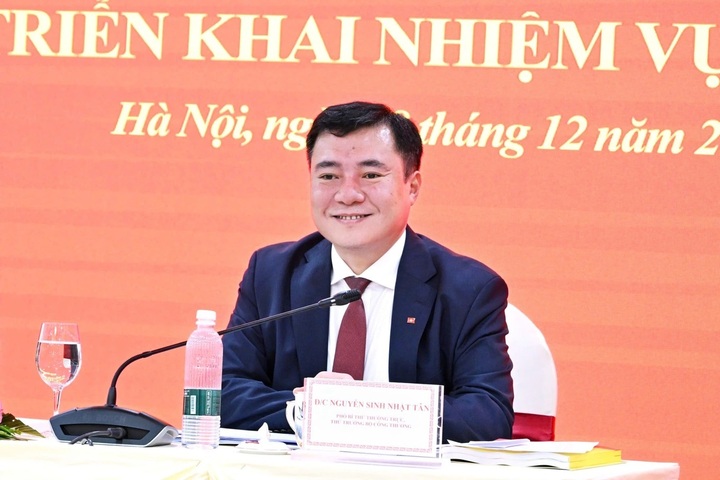
On May 27, Deputy Minister of Industry and Trade Nguyen Sinh Nhat Tan provided further details on preparations for the nationwide rollout of E10 biofuel and addressed concerns over its impact on vehicle engines.
According to the ministry, the transition to biofuel is not intended to limit consumer choice or impose restrictions on the public.
The policy is part of Vietnam’s broader strategy for sustainable development, energy security, environmental protection and commitments to reducing greenhouse gas emissions.
Tan said Vietnam previously allowed mineral gasoline and biofuel to coexist so consumers and businesses could gradually adapt while fuel distributors improved infrastructure and supply systems.
However, experience from other countries shows that maintaining multiple fuel types for an extended period can create inefficiencies, including higher logistics, storage and distribution costs, difficulties for fuel retailers and slower progress in green energy conversion.
The deputy minister added that E10 biofuel has been researched, tested and assessed as compatible with most vehicles currently in circulation.
Using E10 is expected to help reduce emissions, lower dependence on imported fossil fuels, promote domestic biofuel production, create demand for agricultural raw materials and strengthen national energy self sufficiency.
Tan stressed that the transition roadmap would be implemented gradually and carefully assessed rather than introduced abruptly.
During the rollout, the ministry said it would continue coordinating with relevant agencies and businesses to ensure stable supply, fuel quality and consumer rights, while also providing transparent information to reassure the public.
According to the ministry, the E10 roadmap follows major national policies, including Politburo Resolutions 55 and 70 on energy security and reducing dependence on fossil fuels.
The ministry is also implementing government strategies on green growth and renewable energy development aimed at cutting carbon emissions.
Decision 53/2012 required the nationwide introduction of E5 gasoline by 2015 and E10 by 2017. While E5 has been distributed nationwide since early 2018, the E10 rollout was delayed.
The ministry said it had reported to the Prime Minister in order to continue implementing the roadmap in line with the original policy framework.
Tan confirmed that the nationwide transition to biofuels, including E5 RON 92 and E10 RON 95, from June 1 is the next step in Vietnam’s fuel transition strategy and aligns with the government’s green economy and carbon reduction goals.