The ministries of Industry and Trade and Finance announced the latest price changes on Tuesday evening.
Under the adjustment, E5 RON 92 petrol fell by VND 1,020 (USD 0.04) per litre, while E10 RON 95 dropped by VND 920 (USD 0.04). Their respective maximum retail prices are now VND 23,200 (USD 0.89) and VND 23,230 (USD 0.90) per litre.
Diesel prices declined by VND 1,370 (USD 0.05) to VND 28,870 (USD 1.11) per litre, while mazut fuel rose by VND 370 (USD 0.01) to VND 23,970 (USD 0.92) per kilo.
The authorities also decided to allocate VND 700 (USD 0.03) per litre from the fuel price stabilisation fund for petrol.
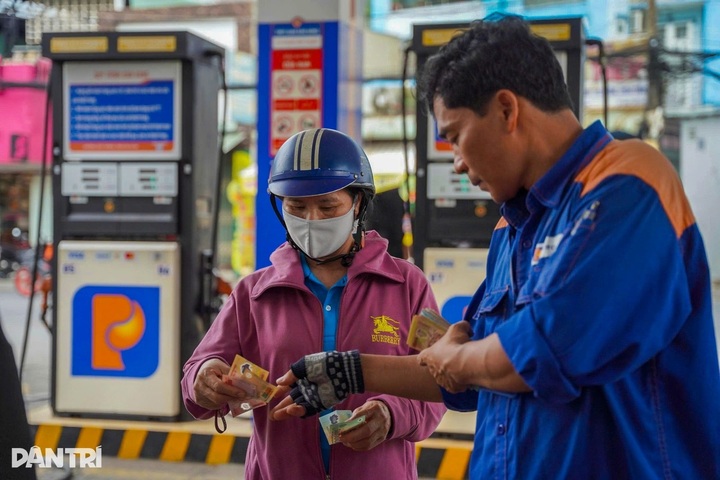
Domestic petrol prices have now fallen sharply in two consecutive adjustment rounds, following just one increase. Fuel prices in Vietnam remain lower than in many other countries in the region.
The government previously issued Resolution 45, setting the special consumption tax rate on all types of petrol at zero per cent. The measure took effect on November 1, 2026, and will remain in force until March 31, 2027.
In addition to the special consumption tax cut, several other taxes on fuel are also being waived or reduced.
The environmental protection tax on petrol and oil has been set at zero dong per litre, while these fuels are exempt from value-added tax declarations and payments. Preferential import tariffs on certain petroleum products and fuel materials have also been cut to zero per cent until December 31.
On the crude oil market, WTI traded at around USD 94 per barrel and Brent at approximately USD 102 during the evening session on November 3, Vietnam time.
Crude oil prices have fallen by as much as 9 per cent since the start of the week, following a third consecutive day of talks between Iran and Qatar aimed at ending the conflict in the Middle East. Diplomatic signals between Washington and Tehran have also contributed to the decline.
The developments have eased concerns about potential disruptions to oil supplies from the Middle East, particularly through the Strait of Hormuz, a strategic shipping route for the global energy market.
Fears of an escalation in the conflict and attacks on oil tankers had previously pushed crude prices up by more than 10 per cent in October.