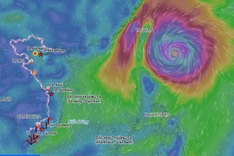
According to the National Centre for Hydro-meteorological Forecasting, heatwaves are expected to intensify from late March and early April, with widespread high temperatures across northern regions.
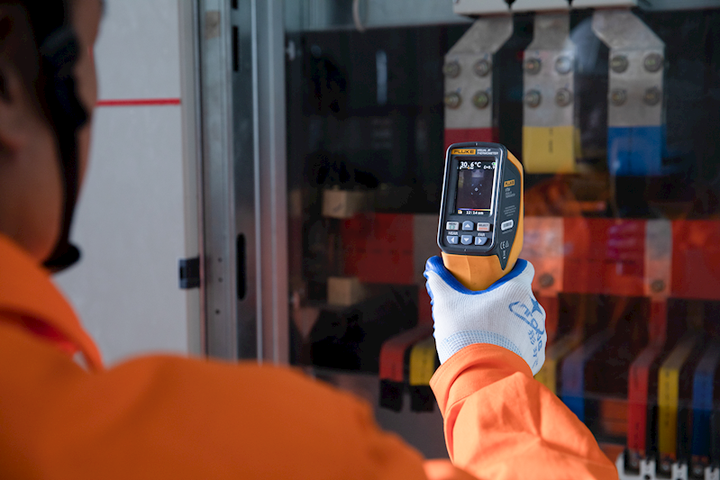
High temperatures directly affect the operational capacity of the electricity system (Photo: EVN Hanoi).
EVN warned that rising temperatures could significantly increase electricity consumption among households and businesses if usage is not managed carefully.
The group advised residents to adjust electricity use, particularly by limiting high-capacity appliances during peak hours from 12 pm to 3 pm and 9 pm to 11 pm.
Consumers are encouraged to make use of natural light and ventilation during the day, and to plant trees near homes to help reduce indoor temperatures. When using air conditioners, EVN recommends setting temperatures at 26 degrees Celsius or higher and combining them with fans to improve efficiency and reduce load.
Residents are also urged to switch off unused appliances and monitor daily electricity consumption through official websites, apps and chatbots.
EVN said ambient temperature is a key factor influencing electricity demand. During heatwaves, the use of cooling devices such as air conditioners, fans and refrigerators rises sharply, potentially pushing electricity consumption to record levels.
Data shows that a 1 degree Celsius increase in temperature can lead to a 2-3 per cent rise in electricity demand, while a 5 degrees Celsius increase could drive consumption up by as much as 10 per cent.
Even when usage duration remains unchanged, electricity consumption at temperatures between 35-40 degrees Celsius is significantly higher than at 30-35 degrees Celsius, as appliances operate under heavier loads and may face localised overloads.