Mong Bridge, a recognised historical relic linking Xom Chieu Ward and Sai Gon Ward, has been repeatedly sprayed with scribbles and graffiti along its parapets, railings and access ramps.
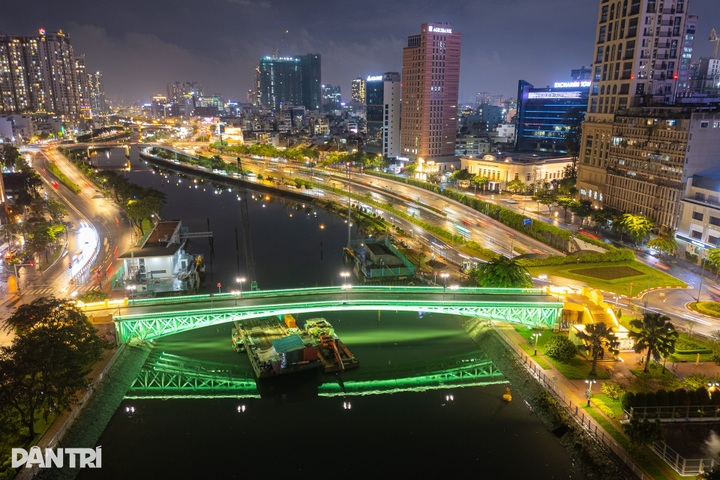
The bridge was recently restored and fitted with a modern architectural lighting system, including 414 LED lights, 200 metres of LED strips and 12 decorative lamp posts.
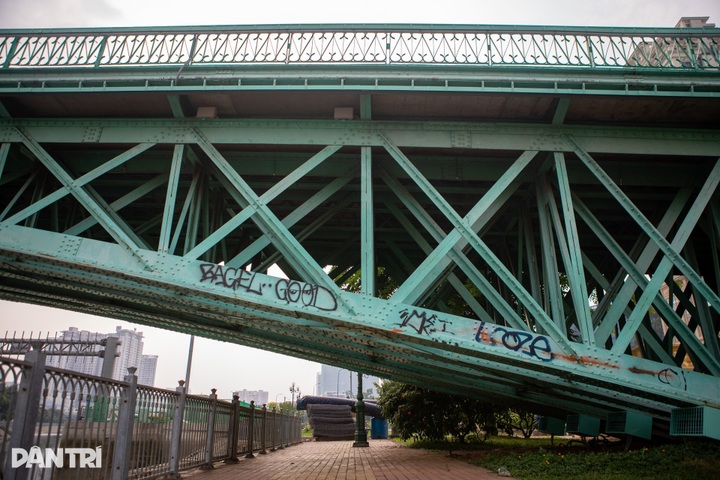
While the project awaits final acceptance, contractors detected fresh graffiti at the bridge abutment in Xom Chieu Ward and urged city authorities to step up patrols and enforcement to prevent further damage that could affect the project’s appearance and operation.
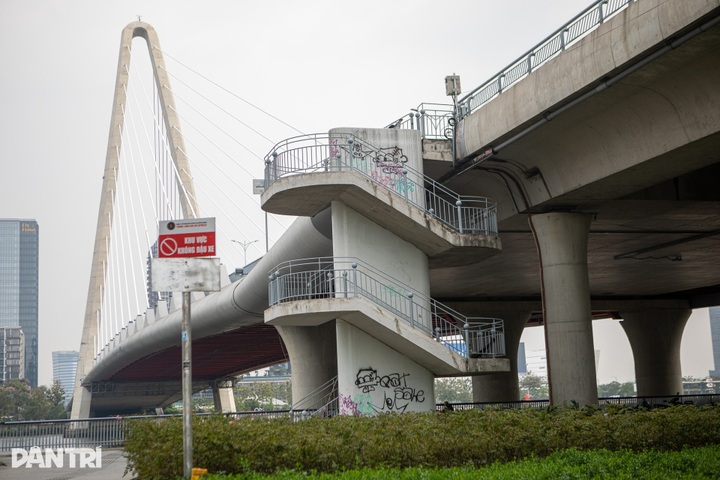
About one kilometre away, Ba Son Bridge, a modern cable-stayed structure formerly known as Thu Thiem 2 Bridge and built at a cost of VND 3.1 trillion (US 119 million), has also been repeatedly vandalised.
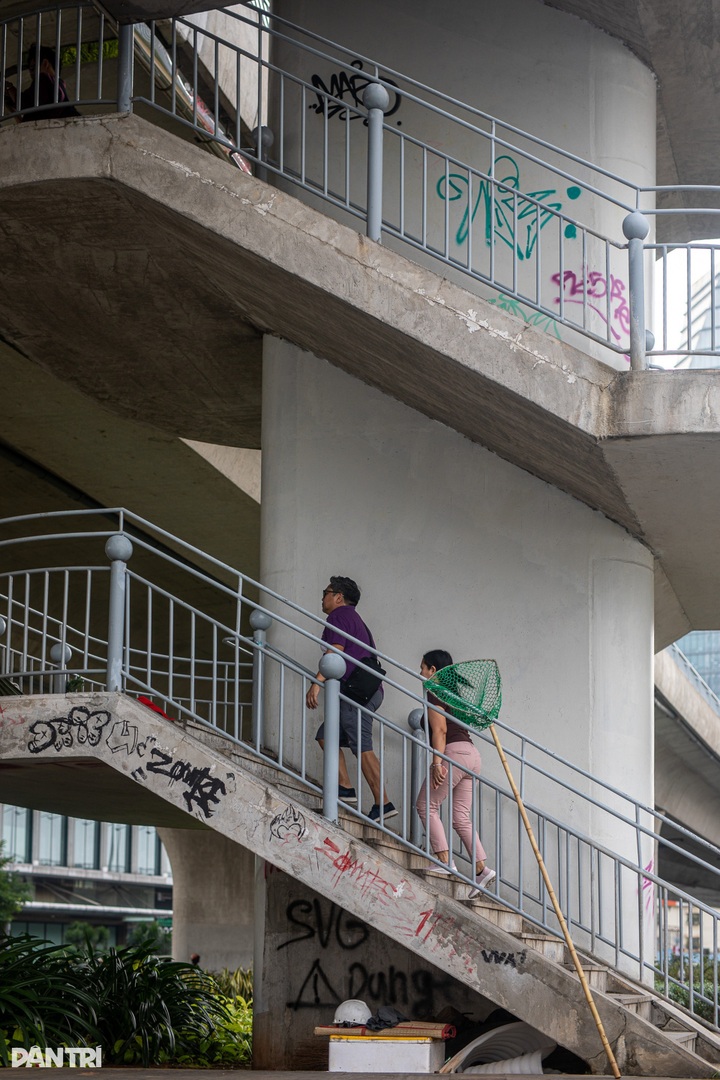
Graffiti has appeared across bridge piers, access paths and suspension cables, particularly in areas beyond the reach of surveillance cameras, while litter along walkways has further marred the site.
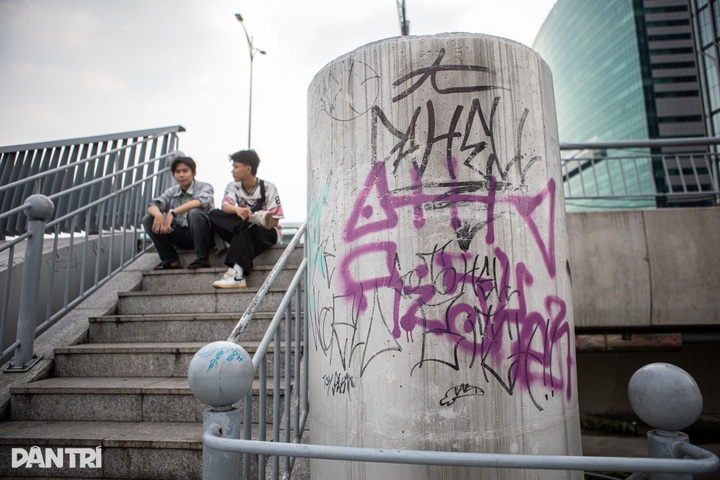
“We often come here to relax, but the constant graffiti means the bridge no longer looks as beautiful as it once did,” said Trung Duong, 24.

Although Ba Son Bridge was repainted with specialised anti-graffiti coating in early 2024, unauthorised drawings continue to reappear, highlighting limited public awareness of urban preservation.

The problem extends many other sites in HCM City.

Utility poles along Nguyen Hue pedestrian street

The century-old Ho Chi Minh City Customs building

Khanh Hoi Bridge, one of 11 key crossings on the East-West Boulevard-have all been similarly defaced.
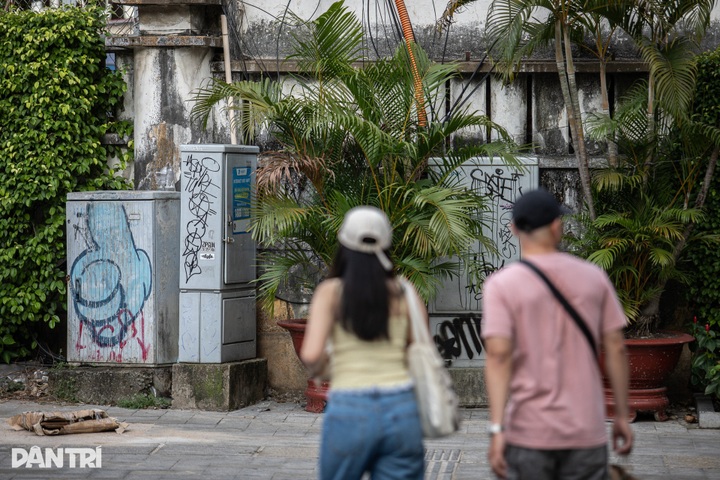
Under Decree 144/2021, individuals caught spraying, writing or attaching images to public property without permission face fines of VND 1-2 million, while organisations may be fined up to VND 4 million.