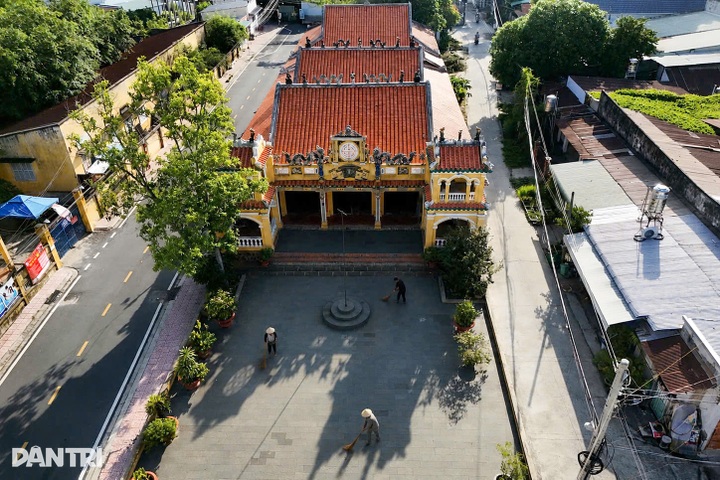
Built in the 1880s, Hiep Ninh Communal House in Tay Ninh Province stands as one of the area's oldest surviving communal houses, preserving the legacy of the pioneers who helped reclaim and protect Vietnam's southern frontier.
Located on 30 Thang 4 Street in Tan Ninh Ward, the communal house is dedicated to a guardian deity honoured for contributions to land reclamation during the southward expansion of Vietnam. It has been recognised as a National Historical Relic.

More than 140 years after its construction, the building has retained much of its original architectural character, reflecting traditional East Asian design and craftsmanship.
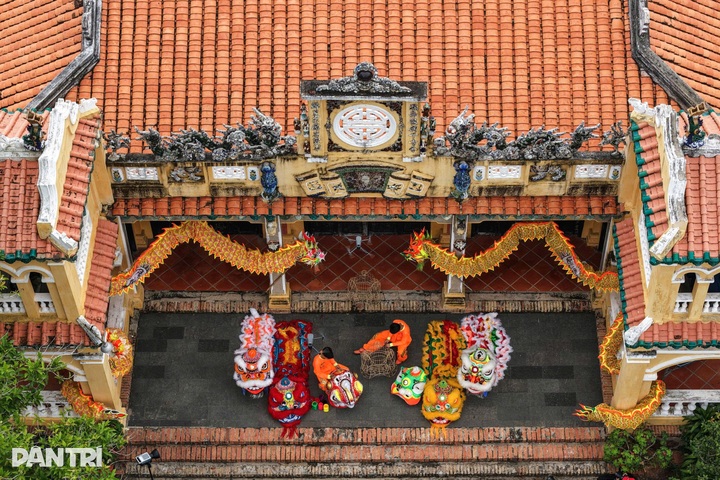
One of its most distinctive features is its intricate wooden architecture and carvings. The communal house preserves 12 pairs of parallel sentences displayed on its 24 main pillars, together with lacquered horizontal plaques praising the achievements of the early settlers who helped establish what is now Tay Ninh Province.

The site also houses a collection of valuable historical and cultural artefacts, including lacquered plaques, ceremonial inscriptions, ancestral altars and traditional palanquins used in religious processions.

Despite the passage of more than a century, many of the building's architectural elements and decorative sacred figures have remained largely intact.
Beyond its historical significance, Hiep Ninh Communal House continues to serve as an important spiritual and cultural centre for the local community.
Each year, residents gather there for traditional festivals to pray for peace, favourable weather and abundant harvests.

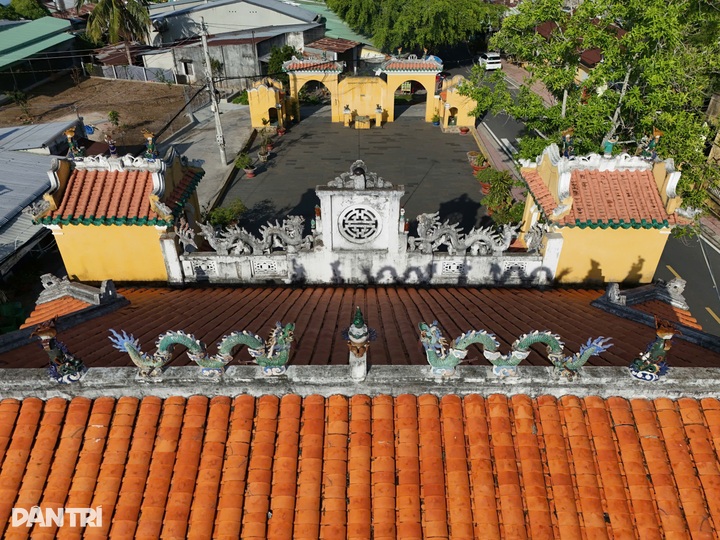
The bell tower and drum tower stand symmetrically on either side of the main hall, each featuring a two-storey square structure with arched openings.

The communal house consists of five compartments supported by wooden columns, with brick walls and a continuous tiled roof stretching from front to back, exemplifying the traditional architecture of southern Vietnamese communal houses.

Its entrance gate, built in a classical style, resembles the gateways of the imperial mausoleums in Hue City.
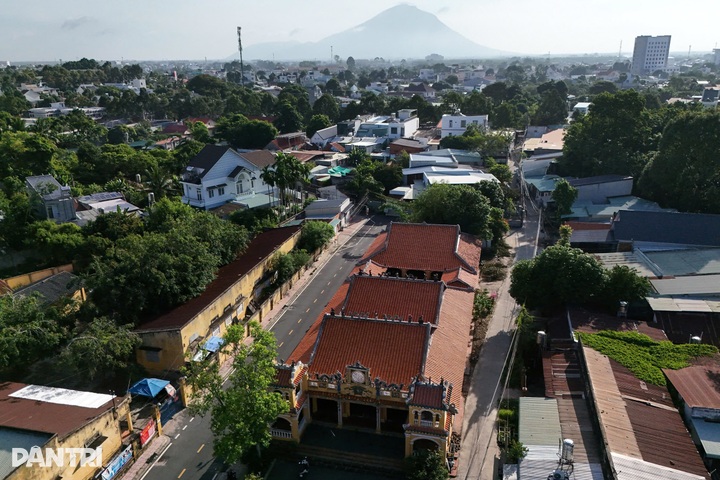
During the resistance against French colonialism, on August 25, 1945, the communal house served as a gathering point for hundreds of armed youths before they joined the uprising to seize control of Tay Ninh Town and surrounding areas.