
Living in Miyazaki Prefecture, Anh Tuyet spends her days working at a nursing home and her evenings tending more than 5,000 square metres of leased farmland, where she grows vegetables including water spinach and Malabar spinach.
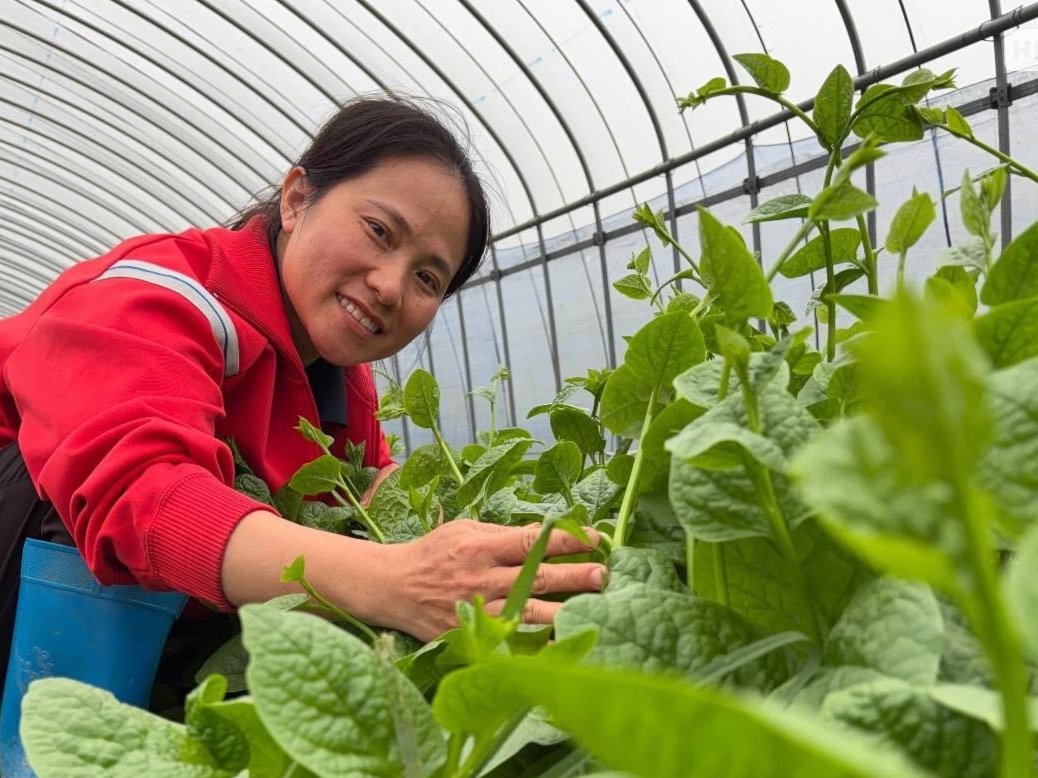
Anh Tuyet beside rows of Malabar spinach nearly ready for harvest (Photo: Provided by the subject).
The Thai Nguyen native first arrived in Japan as a migrant worker seeking a better future. After overcoming personal hardships, including a divorce and her son's serious illness, she rebuilt her life, remarried and settled in her husband's hometown.
Seeing large areas of farmland abandoned because of Japan's ageing population and declining agricultural workforce, she decided to lease plots and begin growing vegetables.
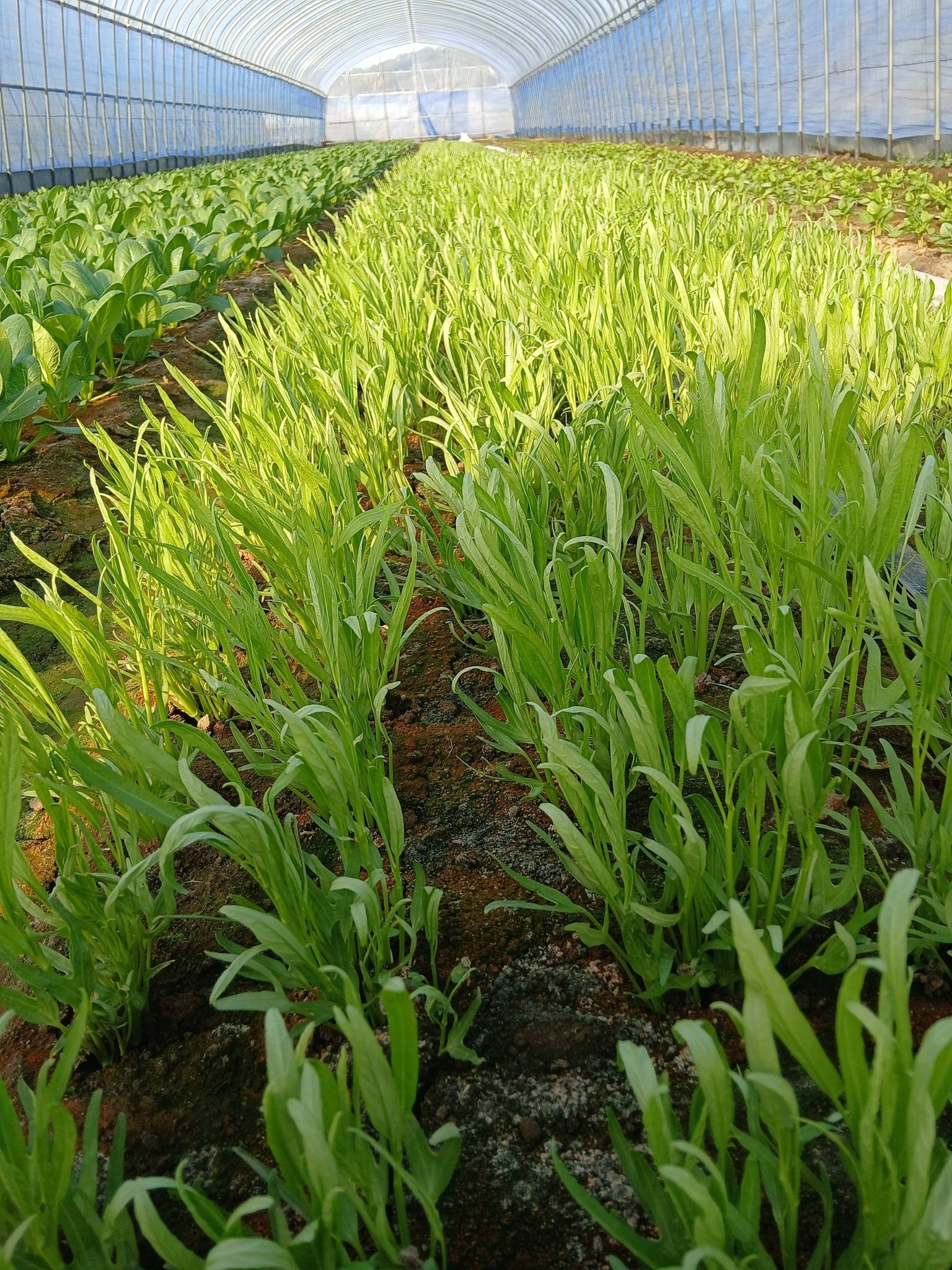
A water spinach field inside Anh Tuyet's greenhouse (Photo: Provided by the subject).
Starting with a single rented field and basic tools, she gradually expanded her operation to more than 5,000 square metres. Today, she harvests around 80 kilogrammes of vegetables a day.
"Farming in Japan is not simple. Every stage must comply with very strict standards. If the requirements are not met, the produce is not allowed into the supermarket system," she told Dantri/Dtinews.
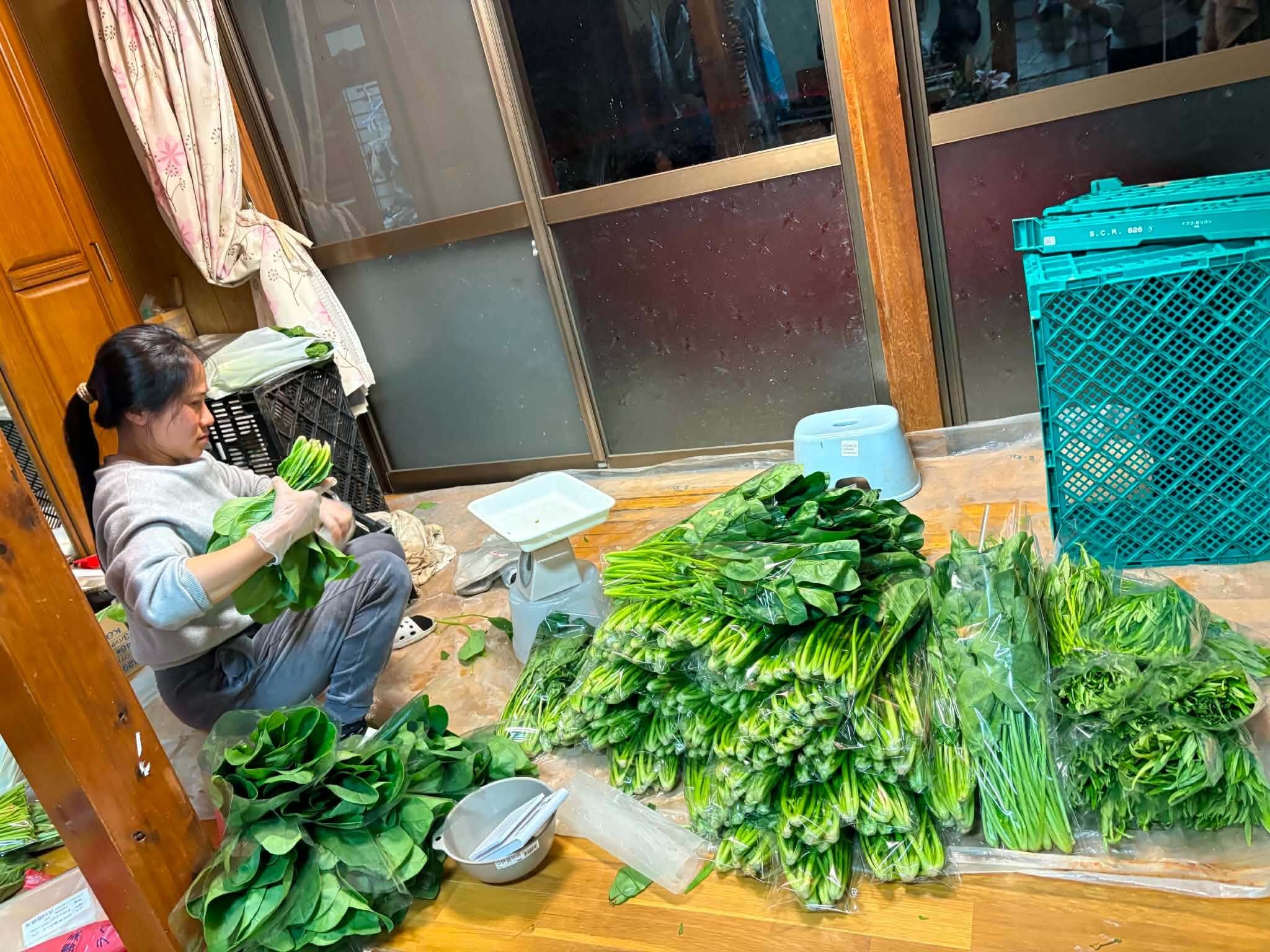
Anh Tuyet sorts and bags vegetables herself before they are sent to the supermarket (Photo: Provided by the subject).
To qualify as a supplier, Anh Tuyet completed a six month agricultural training programme and joined the local farmers' association.
She said Japanese farming standards require meticulous record keeping, covering everything from seed quantities and fertiliser schedules to pesticide use and food safety documentation.
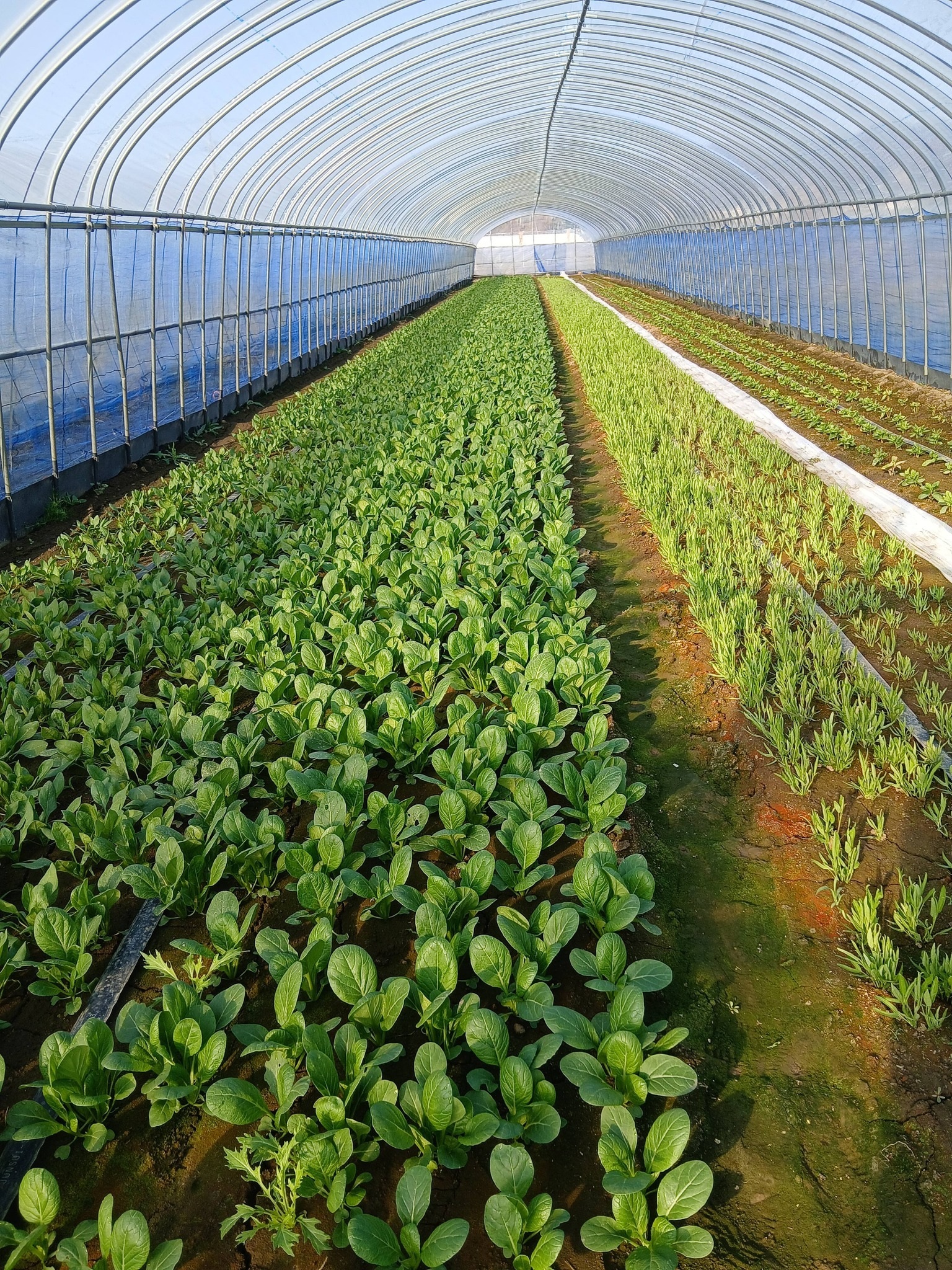
Spinach is popular with many Japanese customers (Photo: Provided by the subject).
Her first supermarket delivery consisted of 300 bags of vegetables weighing a total of 45 kilogrammes. Most of the produce sold out on the same day.
In addition to supermarkets, she sells vegetables directly to the Vietnamese community in Japan through social media channels.
Water spinach and Malabar spinach sell for about 120 yen per 150 grammes, while spinach, potatoes and sweet potatoes are typically sold for around 220 yen per package.
Combined sales to supermarkets and Vietnamese customers generate nearly VND 100 million (approximately USD 3,850) each month.
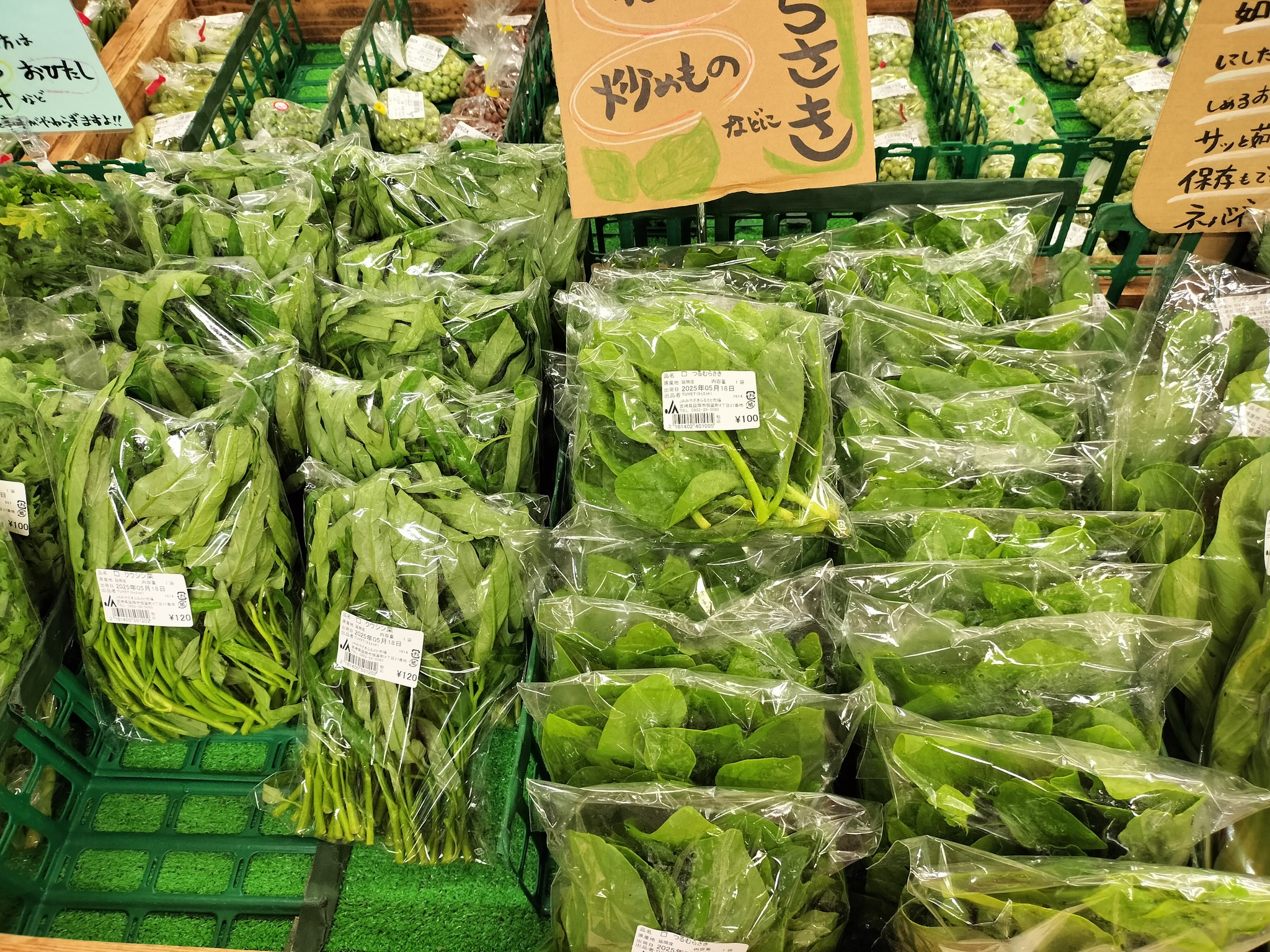
Vegetables grown by Anh Tuyet are sold in supermarkets in Japan (Photo: Provided by the subject).
Despite the financial success, Anh Tuyet said the greatest reward comes from seeing customers trust and choose the vegetables she grows herself.
On Vietnamese national holidays such as September 2 and April 30, she decorates her supermarket stall with the Vietnamese flag and offers promotional discounts to customers.
“Even though I live in Japan, my heart is always turned towards home. Every time I see the Vietnamese flag flying in a supermarket in Japan, I feel deeply moved,” she said.
Looking ahead, Anh Tuyet plans to lease additional land to meet growing demand, while maintaining a strong focus on product quality and customer trust.


