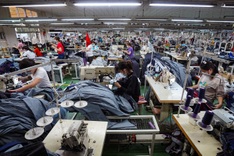
Vietnamese authorities have arrested 4,000 cases of trading in knock off products, mainly fake electronics products, liquor, medicines and other goods, law enforcement officials have announced.
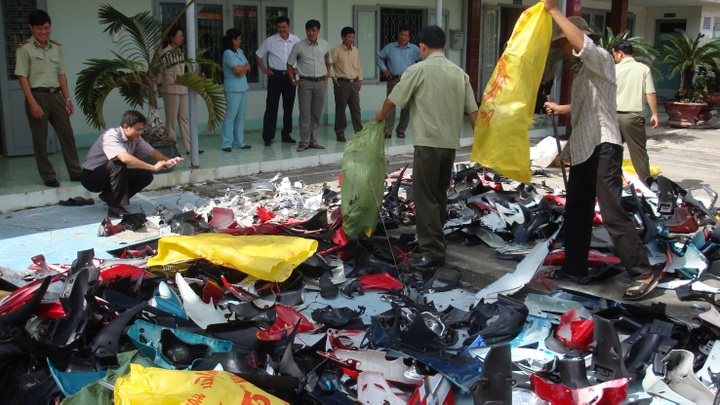
The campaign launched earlier this year comes as the Vietnam government faces mounting pressure from trading partners, transnational companies and trade groups to stamp out product copying.
Vietnamese leaders have given the new clampdown special prominence, publicly linking it to efforts to transform the Southeast Asian nation from a low-cost agricultural based economy to one more innovative and technologically oriented.
Intellectual property protection is a core enabling condition laying the foundation for creativity, innovation and development of an innovative knowledge based society and a prerequisite for achieving a digital economy, leading trade groups have said.
They say illegal Vietnamese copying of music, designer clothing and other goods cost legitimate producers of those products hundreds of millions of US dollars each year in lost revenues.
Unlicensed copying has also stunted growth in Vietnam’s fledgling software, music and high tech industries they stressed.
Business leaders have expressed optimism about the latest effort because the nation’s leaders have been working closely with international customs officials and transnational companies to get a solid grip on illegal trading.
Last year, law enforcement agencies detected and prosecuted 17,396 cases of trading in knock off products seizing an estimated total value of fake goods of VND36 billion and this year and stricter enforcement is on the rise this year.
A Ministry of Industry and Trade (MoIT) report recently distributed said that goods impounded in the latest crackdown included mobile phones, wine, beer, cosmetics, automotive components, clothing and medicine.
It said authorities have shut down dozens of websites peddling counterfeit and imitation goods.
The loss of revenues to these knock offs is not just to businesses said Minister of Industry and Trade Vu Huy Hoang, but in addition the government is being deprived of revenues from tax collection and the cost to consumers’ health is immeasurable.
Perhaps most worrying is the booming trade in counterfeit medicines Hoang said, adding many leading world economists have estimated that it accounts for almost 10% of the global trade in medicine.
It's easy to be conned into thinking you're getting a real good bargain, but one should always remember the old cliché— that if something appears too good to be true, then it probably is.
Piracy is especially sensitive at a time when the government is trying to create jobs by negotiating free trade agreements such as the Trans Pacific Partnership (TPP), as it is one of the major hurdles to finalizing the agreement.
Rampant copying has also hindered Vietnam’s efforts to attract technology industries because business leaders say companies are reluctant to do high-level research in Vietnam or bring in advanced designs for fear of theft.