Financial institutions must consider slashing interest rates on loans to current rates for households and enterprises in economic difficulties.
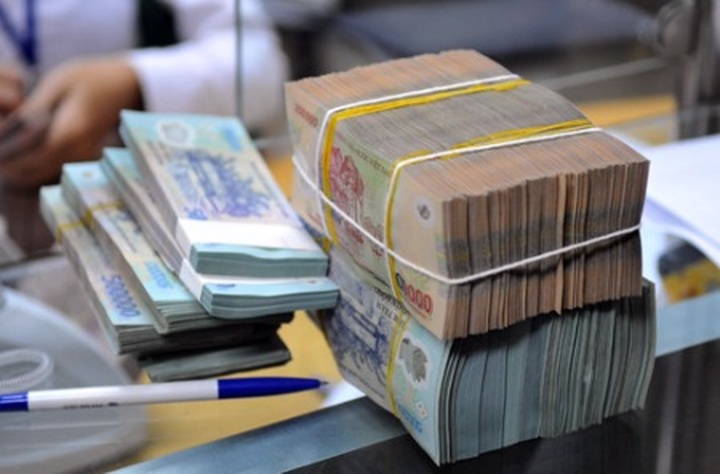
The SBV is trying to seek measures to support troubled enterprises
In its official document released on April 24, the State Bank of Vietnam (SBV) requested that both domestic and foreign banks and financial institutions apply measures to help troubled clients maintain their businesses in the time to come.
To this end, financial institutions were told to scrutinise their clients’ capacity to settle their debts based on their production cycles and business plans.
Following that, commercial banks were encouraged to develop plans to extend the deadlines for debt repayment for clients who are unable to settle their settle their debts on schedule.
The debt extension will be applied to clients who are unable to repay their debts based on their original interest rates.
Those who are unable to repay their debts in full or interest payments according to their agreements but are recognised as being able to settle their debts over a certain period of time in the future will also be provided with extensions.
The SBV required financial institutions, based on their financial capacity and client policies, to consider lowering interest rates on already existing loans.
Priority should be given to clients operating in the fields of agriculture and rural development, production for export, support industries, as well as small and medium-sized enterprises and those who have a large number of workers, the SBV noted.
The financial institutions were also told to consider exempting and lowering interest rates for clients suffering from financial difficulties as a result of damage to their property.
The SBV recently issued a regulation classifying debts that are subjected to the debt extensions.
The SBV’s move was made in a context where domestic production had remained stagnant in the first four months of this year, with GDP growth in the first quarter of 2012 at its lowest rate for the past three years and where there are increasing worries about deflation and difficulties to realise the country’s GDP growth target of from 6%-6.5% for this year.
Analysts argue that the low rate of loans is not the result of liquidity shortages, but rather due to low market demand and the inability of businesses to meet overly-stringent bank requirements.
Increasing numbers of enterprises are incurring larger debts due to high interest rates.