Vietnam’s long-anticipated KRX trading system is finally set to go live on May 5, marking a breakthrough in market infrastructure and a major step toward modernising the stock exchange operations.
A recent report from the Office of the US Trade Representative shows that most US goods imported into Vietnam are subject to an import tax rate of 15 per cent or lower.
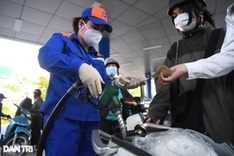
Fuel prices in Vietnam have risen for the third consecutive adjustment in the April 3 pricing review by the Ministry of Finance and the Ministry of Industry and Trade.
Northern Europe is emerging as one of the world’s leading regions in organic product consumption, presenting a significant opportunity for Vietnamese enterprises.
Prime Minister Pham Minh Chinh has directed the State Bank of Vietnam (SBV) to consider commercial banks’ proposals on implementing Basel III international banking standards.
The Ministry of Finance has proposed a 2% reduction in value-added tax, expanding eligibility to include fuel, petroleum, and certain technology products and services.
A slew of policies has been put in place to attract foreign direct investment capital, which is seen as an important driver for Vietnam’s high economic growth targets in 2025 and the subsequent years.
Prime Minister Pham Minh Chinh has requested the completion of the North-South expressway from the northern mountainous province of Cao Bang to the southernmost province of Ca Mau by this year’s end.
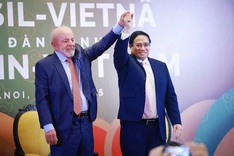
President Lula da Silva and PM Pham Minh Chinh pledged to create favorable conditions for bilateral trade to reach US$15 billion by 2035 during the Brazil-Vietnam Economic Forum in Hanoi on March 29.
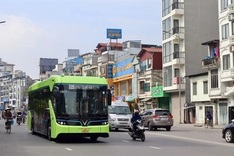
The trend of transitioning to electric vehicles in Vietnam is becoming increasingly evident, with a clear focus on sustainability, cost savings and enhanced user experience.
The Ministry of Finance has submitted a proposal to the Government regarding tax policies to enhance Vietnam’s trade competitiveness and align its tariff structure with global economic shifts.