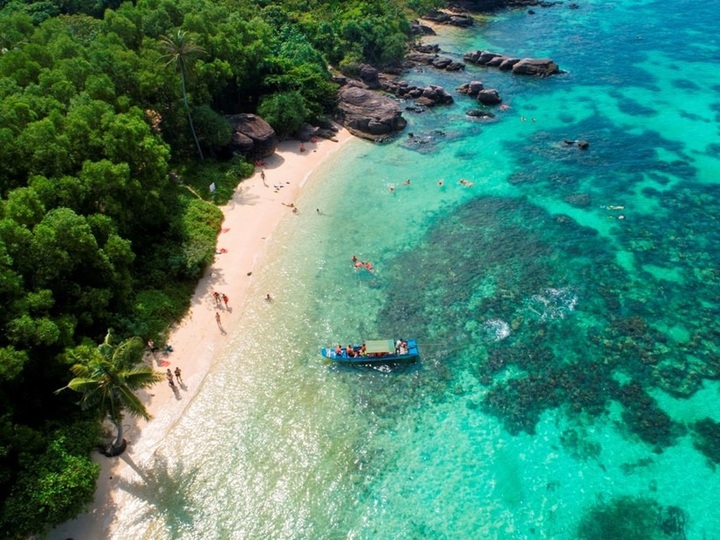
Phu Quoc is popular among tourists (Photo: VNA)
The country welcomed 17.6 million foreign visitors in 2024 and another 15.4 million in the first nine months of 2025, putting it on course to reach 25 million by year end. As of the third quarter, Vietnam had more than 192,000 midscale-to-luxury hotel rooms, reflecting a compound annual growth rate of 10.9 per cent over the past decade, among the highest in Southeast Asia.
About 60 per cent of rooms are in coastal areas, underscoring the strength of the resort tourism model. Performance rose sharply in key destinations: Danang and Nha Trang resorts regularly exceeded 70-75 per cent occupancy, while Phu Quoc recorded year-on-year gains of 10-15 per cent.
With tourism rebounding, new supply slowing and demand shifting toward premium products, investor confidence has strengthened, Savills said. Domestic developers still hold nearly 90 per cent of existing stock, and about 68 per cent of hotels remain owner-operated, creating opportunities for refurbishment, repositioning or management deals with international brands. The number of foreign hotel brands in Vietnam is expected to rise from 90 to more than 130 within three years.
Beyond acquisitions, both local and overseas investors are targeting coastal land and assets with redevelopment potential, with strong interest in luxury, upscale and branded-residence projects.
Major infrastructure works, including Long Thanh International Airport, expansions at Noi Bai and the new Gia Binh airport, along with the North–South expressway, are improving regional links and supporting long-term tourism growth.
Mauro Gasparotti, senior director of Savills Hotels Asia Pacific overseeing Southeast Asia, said improving demand fundamentals and growing acceptance of diverse product types, particularly in Ho Chi Minh City and Hanoi, continue to make Vietnam appealing to foreign investors seeking high returns.