The figures were presented at a seminar on green tourism and heritage conservation held by the My Son World Cultural Heritage Management Board on September 25 ahead of World Tourism Day on September 27.
Nguyen Cong Khiet, director of the board, said the My Son temple complex was first built by Champa rulers in the fourth century and expanded and restored until the 13th century.
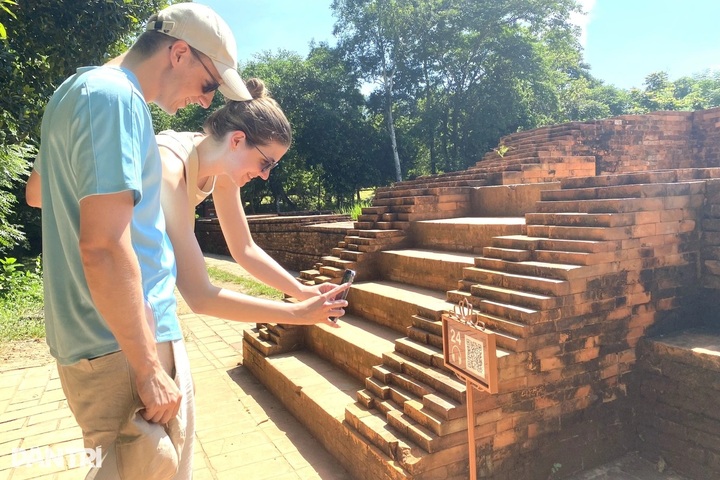
The site originally comprised more than 70 structures and was the largest religious centre of the Champa Kingdom, dedicated to the Hindu god Shiva.
By 1975, only 32 structures remained, around 20 of them relatively intact, while several temple groups had been largely destroyed.
Domestic and international organisations and experts have worked to preserve and restore the complex over the past two decades.
A conservation project jointly carried out by Vietnam and India from 2017 to 2022 restored the A, H and K temple groups.
My Son was recognised by UNESCO as a World Cultural Heritage site in 1999.
Hoang Van Long from the Danang Institute for Socio-Economic Development Research said annual visitor numbers had grown from only several hundred in the past to more than 450,000, with average annual growth exceeding 10% in recent years.
At the seminar, experts discussed heritage-based economic models, biodiversity conservation linked to local livelihoods, forest-based ecotourism, preservation of Cham cultural identity and greater community participation in tourism.
Discussions also covered the market potential of tourism products in the My Son forest and ways for local communities to benefit from tourism development.
The management board also presented awards for a competition seeking ideas for sustainable products, services and development solutions at the heritage site.