
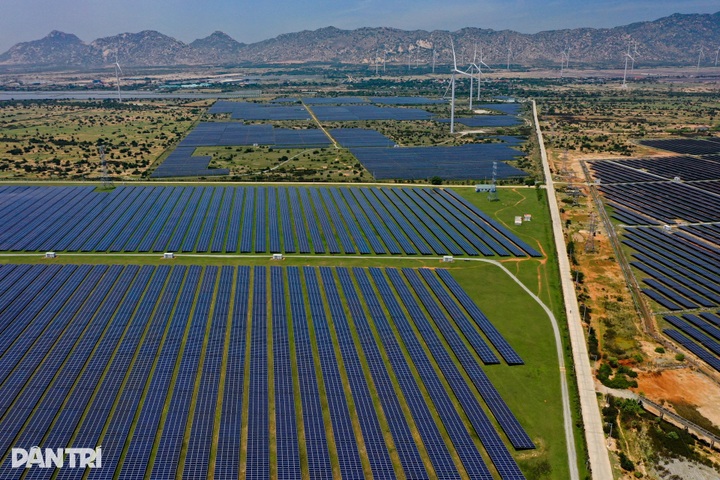
A growing number of solar and wind power firms have posted weak financial results, reflecting mounting cost pressures and structural challenges in the sector.
Hong Phong 1 Energy reported a net loss of VND 180.7 billion in 2025, reversing a profit of VND 71.3 billion the previous year and marking its largest loss on record. Its equity fell to VND 1.07 trillion, while total liabilities rose to nearly VND 3.43 trillion, including more than VND 2.10 trillion in bond debt.
Hong Phong 2 Energy also reported a loss of more than VND 97 billion, compared with a profit of over VND 55 billion in 2024. Meanwhile, Hoa Dong 2 Wind Power posted cumulative losses exceeding VND 493 billion, with mounting debt pressures.
Although some firms remain profitable, margins are generally thin. Ea Sup 1 reported profits of nearly VND 66.4 billion in 2025, while Ea Sup 3 saw profits fall sharply to around VND 278 billion.
Industry analysts say profits are being significantly eroded by high interest costs and depreciation from large-scale investments.
Looking ahead to 2026-2027, the outlook remains challenging. Unlike traditional energy sectors that benefit directly from rising global prices, most renewable projects in Vietnam operate under fixed feed-in tariffs, limiting revenue growth regardless of market conditions.
At the same time, financing costs remain elevated. Interest rates on loans and corporate bonds, often ranging from 9 to 12 per cent annually, continue to weigh heavily on balance sheets.
Further pressure is expected as large volumes of corporate bonds mature in the coming years, forcing companies to refinance or repay debt under tighter credit conditions.
Legal bottlenecks, including project procedures, transmission infrastructure constraints and less attractive transitional pricing mechanisms, have also hindered improvements in financial performance.
As a result, many firms face a scenario where cash flow is sufficient for operations but insufficient to service debt, raising the risk of prolonged losses.
The sector is likely to see increasing divergence, with financially stronger companies better positioned to withstand the pressures, while others may be forced to restructure debt or endure extended losses.


