Nipah is classified as a Group A infectious disease in Vietnam, with a fatality rate of 40-75 per cent, and is transmitted mainly from animals to humans and through direct contact with contaminated food or body fluids.
In a dispatch to relevant agencies, the ministry said the virus has an incubation period of four to 14 days, with early symptoms that can progress to neurological complications, including acute encephalitis.
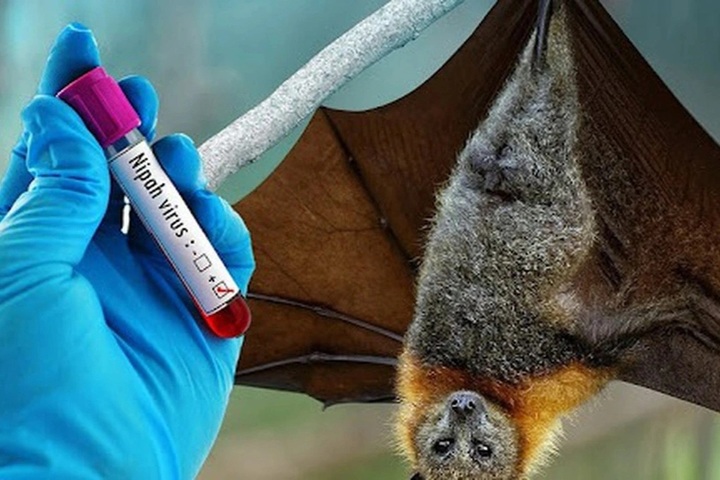
According to infectious-disease surveillance data, India recorded five suspected Nipah cases between December 27 and January 26, with two confirmed by laboratory testing at a hospital in West Bengal.
Citing cross-border transmission risks, the ministry told health facilities nationwide to step up surveillance, tighten infection controls and ensure full protective gear for healthcare workers and close contacts.
All suspected or confirmed Nipah cases must be isolated immediately, while hospitals are required to reinforce infection-control protocols to prevent in-facility transmission.
Ho Chi Minh City health authorities said no Nipah virus has been detected so far in encephalitis patients tested using advanced techniques, including PCR and metagenomics, by the Oxford University Clinical Research Unit in collaboration with the Hospital for Tropical Diseases.
While the risk of local transmission remains low, authorities warned that importation is still possible amid rising international travel and have stepped up screening at Tan Son Nhat International Airport.
Travellers returning from outbreak zones are advised to monitor their health for 14 days and seek care if symptoms appear, while the public is urged to avoid contact with fruit bats, pigs and sick animals and potentially contaminated food or drink.