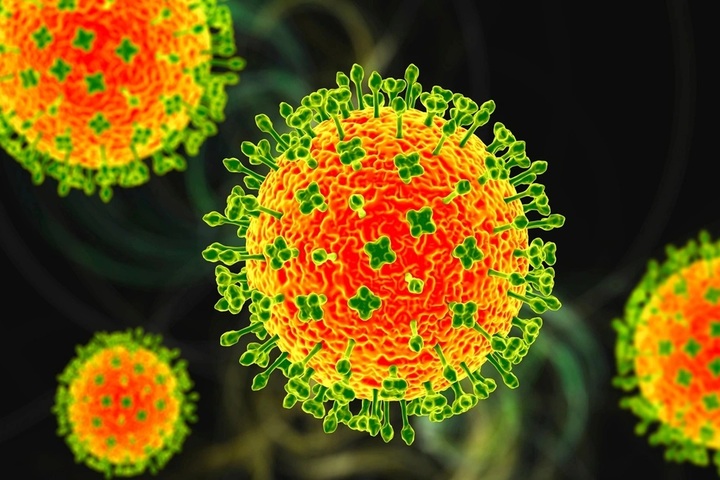
The ministry said that as of January 26, Vietnam has not recorded any cases of Nipah virus infection.
Amid the risk of cross border transmission, the Ministry of Health has instructed local authorities to strengthen disease surveillance and prevention measures at border checkpoints, medical facilities and within communities, and to be ready with response plans.
To proactively prevent and control Nipah virus infection, the ministry advised people to avoid travelling to affected areas unless absolutely necessary.
Those returning from outbreak areas are urged to self monitor their health for 14 days. Anyone experiencing symptoms such as headache, muscle pain, vomiting, sore throat, dizziness, drowsiness, confusion or seizures should immediately contact the nearest medical facility, limit contact with others and clearly inform health workers of their travel history.
The ministry also advised ensuring food safety by following the principle of eating thoroughly cooked food and drinking boiled water, washing and peeling fruit before consumption, and avoiding fruits that show signs of being bitten or gnawed by animals such as bats or birds. People are also advised to avoid drinking raw or unprocessed tree sap, such as palm sap or fresh coconut sap.
The public is advised to avoid close contact with animals that pose a high transmission risk, particularly fruit bats, and to regularly wash hands with soap or disinfectant after slaughtering or handling animals.
Direct contact with infected patients or contaminated items should be avoided. Masks, gloves and personal protective equipment should be used when caring for or treating suspected or confirmed cases, followed by proper hand hygiene.
Nipah virus disease is classified as a Group A infectious disease in Vietnam. The virus is mainly transmitted from animals to humans, with fruit bats identified as the source in India, or through contact with contaminated food or objects. Human to human transmission is also possible through direct contact with bodily fluids of infected patients.
The incubation period ranges from four to 14 days. Initial symptoms include headache, muscle pain, vomiting and sore throat, which may later progress to dizziness, drowsiness, altered consciousness and neurological signs indicating acute encephalitis.
According to infectious disease surveillance data, from December 27, 2025 to January 26, India recorded five suspected Nipah virus cases, including two laboratory confirmed cases, at a hospital in West Bengal.
Nipah virus was first identified in Malaysia in 1999. Human cases were first recorded in Bangladesh in 2001 and later in India.
The World Health Organisation said Nipah virus infections have occurred sporadically and on a small scale in several countries, without developing into large outbreaks. The fatality rate among hospitalized cases ranges from about 40 to 75 per cent. There is currently no vaccine or specific treatment available for either humans or animals.