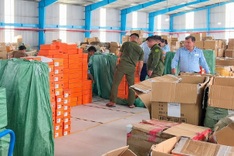
The move follows a Dantri/DTiNews report on residents cultivating pineapples along the boulevard, prompting mixed reactions from readers and motorists.
Some welcomed the practice, arguing that pineapple plants kept the roadside tidy, prevented weeds from growing and improved visibility for drivers.
Others warned that farming on public road land could endanger both motorists and farmers, particularly during harvesting.
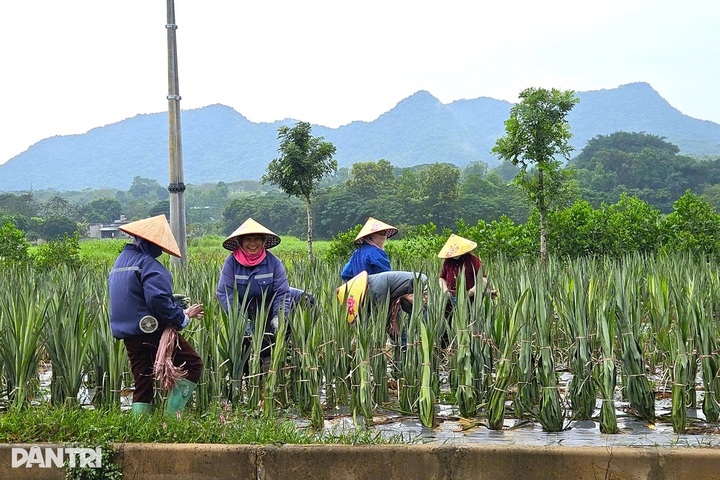
Residents divided over roadside farming
Many readers supported allowing residents to grow pineapples, saying the low-growing plants were preferable to tall weeds that could obstruct drivers' views.
One reader, Dai Xuan, said cultivation should be permitted if it did not interfere with traffic or pose safety risks.
He argued that pineapple fields improved the landscape and reduced the need for publicly funded roadside maintenance.
Another reader, Nghia Nguyen, said the plants could help prevent soil erosion while keeping the area green and maintaining visibility.
Some suggested introducing regulations to allow controlled cultivation, enabling residents to earn additional income while maintaining the roadside.

Nguyen Huy An proposed allowing farmers to use the land under appropriate conditions, including paying taxes and accepting responsibility for any damage to road infrastructure.
If removal was necessary, he suggested giving residents advance notice and allowing them to harvest their crops, with appropriate safety measures in place.
Bui Thanh Quang, a resident of Tam Diep Ward, said overgrown weeds along the central reservation obstructed drivers' views, while pineapple fields kept the area tidy and visibility clear.
Another resident, Tran Nhu Tu, suggested temporarily allowing cultivation under agreements requiring farmers to return the land whenever further road construction was needed.

Traffic safety concerns
Other readers strongly opposed the practice, warning that people working or harvesting crops close to moving vehicles could cause accidents.
One reader, Trung Nguyen, questioned who would be responsible if a collision occurred during harvesting.
Another criticised local authorities and the project developer for failing to detect and prevent cultivation despite its apparent scale and duration.
Several readers stressed that the central reservation and roadside land were public transport infrastructure, not agricultural land, and should be used only as intended under the road design.
Dang Huu Truong, deputy director of Ninh Binh's Construction Investment Project Management Board No. 1, confirmed that the affected areas were d