
According to preliminary data released by the General Department of Customs, total export turnover in the first half of January exceeded USD 18 billion, up nearly 11 per cent year on year.
Processed industrial goods continued to dominate exports. Computers, electronic products and components brought in more than USD 4.2 billion, up nearly 28 per cent. Phones and components earned over USD 2 billion, up more than 21 per cent, while machinery and equipment reached about USD 2.1 billion, up 13 per cent. Together, these groups accounted for almost half of total export value, reflecting a clear recovery in technology orders from major markets.
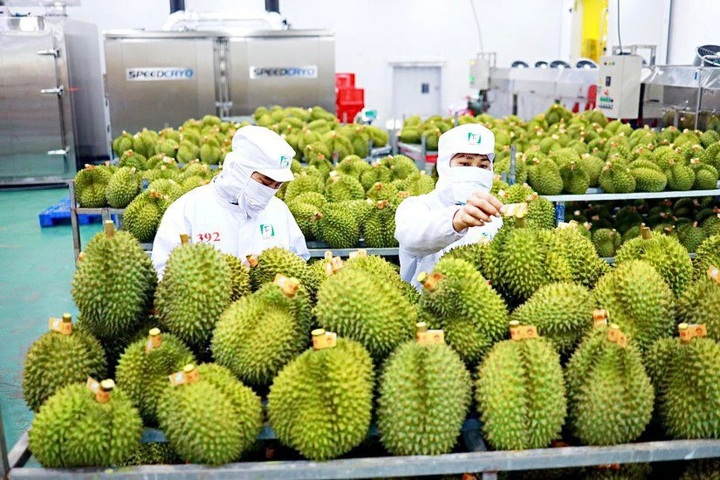
In agriculture, performance was mixed, but fruit and vegetables emerged as a clear bright spot. Export turnover for the group reached nearly USD 299 million in the first half of January, an increase of more than 40 per cent compared with the same period last year.
The strong growth early in the year highlights the sector’s momentum, as more products shift to official export channels with tighter quality control and traceability requirements.
Coffee exports also maintained positive performance, with turnover of USD 433 million and volumes of about 89,000 tonnes, rising in both value and quantity thanks to high export prices. Cashew exports exceeded USD 156 million and pepper topped USD 58 million, both higher year on year, reflecting stable demand in traditional markets.
By contrast, rice exports recorded a sharp increase in volume to 318,000 tonnes, but export value reached only nearly USD 150 million, lower than a year earlier due to falling prices.
Dang Phuc Nguyen, general secretary of the Vietnam Fruit and Vegetable Association, said exports of fruit and vegetables typically rise strongly ahead of Tet as consumer demand increases. China, Vietnam’s largest import market for the sector, also enters a peak consumption period during the holiday season.
After reaching a record USD 8.5 billion in export turnover in 2025, the fruit and vegetable sector is targeting USD 10 billion this year. Nguyen said the goal is ambitious but achievable, provided the industry adopts coordinated and long-term solutions.
The priority, he said, is reorganising production around concentrated raw material zones, standardising planting area codes and packing facilities in line with market demand. At the same time, reducing reliance on a small number of major markets, particularly China, through market diversification and a higher share of deeply processed products is seen as essential.