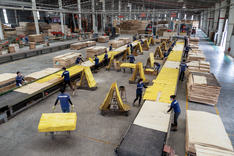
The European Union-Vietnam Free Trade Agreement (EVFTA) and the EU-Vietnam Investment Protection Agreement will be reached on June 30 in Hanoi after the two sides agreed on decisions on the signature of the two agreements.
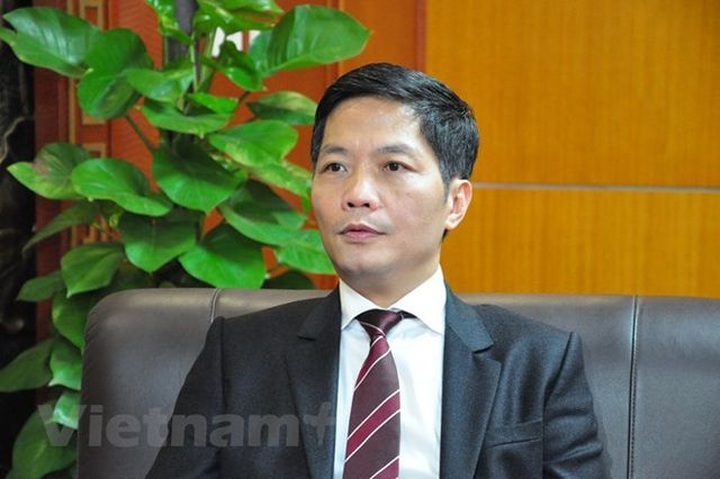
Minister of Industry and Trade Tran Tuan Anh. Photo by VNA
According to Minister of Industry and Trade Tran Tuan Anh, after the EVFTA comes into force, up to 99.7 percent of tariff lines for Vietnam's exports over seven years. This is the highest commitments Vietnam has made in a FTA so far.
The EVFTA will pave the way for Vietnamese exports to the EU, particularly highly-competitive farm produce, seafood, footwear and garment and textiles, the minister added.
At present, just 42% of Vietnamese exports to the EU enjoy zero tariffs in line with the Generalized System of Preferences (GSP). However, in the coming time when the Vietnamese economy grows, the GSP will be removed.
Meanwhile, thanks to the EVFTA, 65% of duties on EU exports to Vietnam will disappear as soon as the agreement enters into force, while the remainder will be phased out gradually over a period of up to ten years.
Anh emphasised that to take advantage of the agreement’s benefits the business community, especially small and medium-sized enterprises (SMEs) need to study the agreement information to define possible opportunities as well as challenges.
It is more important for businesses to raise their product quality to sharpen competitiveness.
“Enterprises have to ensure EU technical and labour safety requirements when exporting their products,” Anh said.
Regarding the challenges, the minister mentioned that the EVFTA includes strict regulations related to investment procedures, technical standards and intellectual property. To conform, Vietnam will need to improve its existing legal system.