This is the third year the cathedral has been decorated for Christmas since restoration began in 2017.

The LED lighting installation has been complete and operating for the past three evenings, illuminating the structure each night from 6.45 pm to 11 pm.
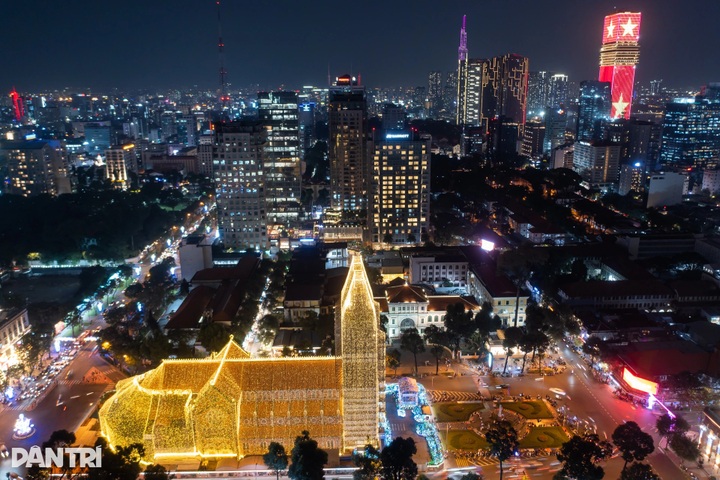
The standout feature this year is the use of 1,000 km of LED string lights, twice the amount used last year, transforming the cathedral into a magical, radiant spectacle.

Unique ornaments such as globes, stars and bells adorn the tiled roof, while LED lights shaped like Christmas trees crown the two metal spires, creating an enchanting display that captures every gaze.

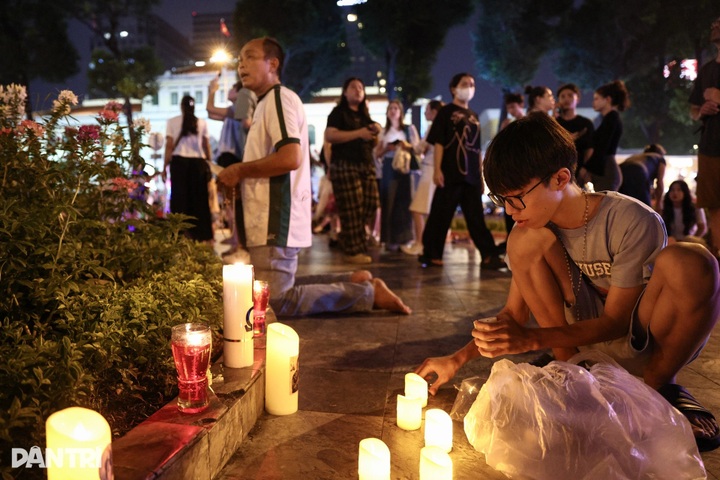
Large numbers of residents and tourists have flocked to the cathedral to soak up the early festive atmosphere and capture memorable photos beneath the architectural marvel.

Nineteen-year-old visitor Thuy An and friends spoke of their joy at being immersed in the early Christmas spirit. “Sitting on the pavement drinking coffee and enjoying the cool late-year air is a very pleasant experience,” Thuy An said.

Foreign tourists also seized the opportunity to pose against the distinctive Christmas backdrop.
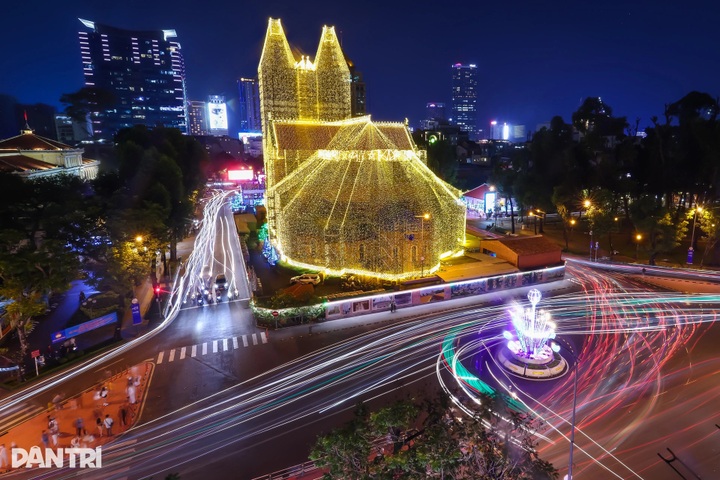
The cathedral has long been a landmark of central Ho Chi Minh City. At Christmas it is especially resplendent with its ornate, glamorous decorations that attract admiring glances from all around.

Notre Dame Cathedral is not merely a symbol of Catholicism in Vietnam; it is also one of the city’s most iconic buildings and a must-see destination. The structure is currently undergoing restoration.
Originally built in 1877 and completed three years later, the cathedral was designed by architect J. Bourard. The main sanctuary rises to a height of 60.5 metres. The two metal spires and the bell tower make up more than half of that height, giving the cathedral a majestic and impressive presence.
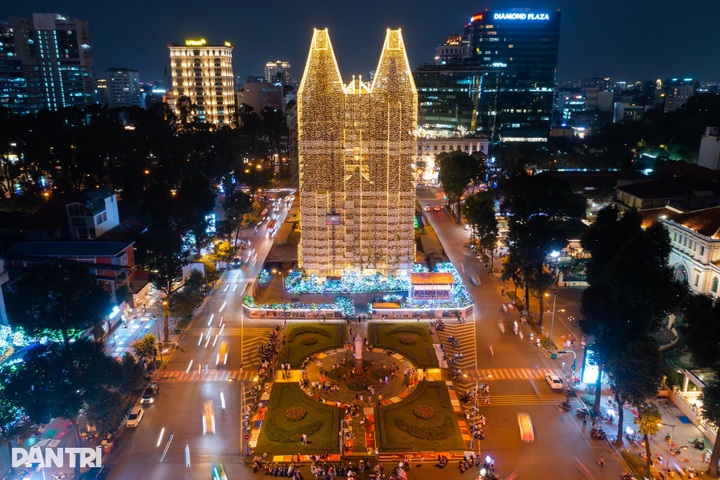
Now, after more than 130 years of use, the building is under restoration. Renovations began in 2017 with an expected completion after two or three years. However, degradation and disruptions from the Covid-19 pandemic have delayed the work, shifting the expected completion to 2027.