Speaking to Dantri/Dtinews, Layne Hartsell, a US research professor at the Centre for Ethics in Science and Technology at Chulalongkorn University and a research fellow at the Asia Institute, described the transition as a process of “rematerialisation” and said large-scale public transport investment offered the most effective solution.

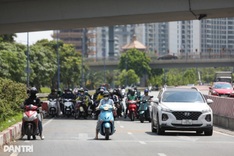
Hanoi’s plan to shift from petrol motorbikes to electric vehicles must include a clear strategy to handle existing bikes and discarded batteries (Photo: Nguyen Hai)
As air quality in the capital continues to deteriorate, with pollution levels frequently reaching hazardous thresholds, authorities have introduced measures to curb petrol-powered vehicles and promote greener transport options.
The transition, however, will have far-reaching effects on daily life, livelihoods and mobility in a city where motorbikes remain central to transport, Hartsell said.
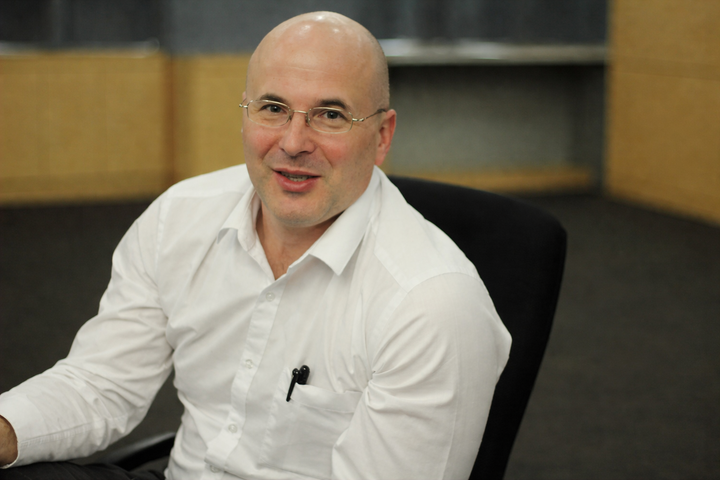
Layne Hartsell, a US research professor specialising in energy, economics and environmental studies (Photo: Courtesy of Hartsell)
Public transport as a top priority
Hanoi is home to an estimated 9.2 million petrol-powered motorbikes, highlighting the scale of the challenge. Converting them to electric vehicles would require major state investment in infrastructure, he said.
“The most effective solution is for the government to invest in large-scale public transportation infrastructure, such as light rail systems seen in other major Asian cities,” Hartsell added.
Vietnam could seek partial funding and technical support from countries such as Japan or China, or through broader East Asian cooperation, where the financial resources and expertise needed for projects of this scale already exist.
Such investment would be justified, he said, because disruptions to transport would undermine productivity. If workers struggle to reach workplaces, the result would be public frustration and economic damage. A strong public transport system would provide alternatives while supporting the shift to cleaner mobility.
Hartsell said Hanoi should prioritise expanding electricity grid capacity, rolling out accessible charging infrastructure and developing comprehensive public transport options.
“Converting 9.2 million petrol motorbikes to electric vehicles will require substantial government investment. Without intervention on that scale, I foresee serious challenges as the July 1, 2026 transition deadline approaches,” he warned.

Nearly 10 million motorbikes could end up as industrial waste, posing environmental risks (Photo Tran Thanh)
‘Rematerialisation’ and waste risks
Beyond infrastructure, Hartsell highlighted the issue of “rematerialisation”, referring to the fate of millions of petrol motorbikes that could become obsolete under new policies.
Without a clear roadmap, large numbers of vehicles could turn into industrial waste, he cautioned. While rematerialisation focuses on reusing and transforming existing artefacts, such approaches remain largely theoretical.
In practice, many vehicles and batteries may end up in landfills or ecologically sensitive areas, adding pressure to waste management systems.
“I cannot recommend proceeding without a comprehensive plan for responsible disposal and recycling. The prospect of nearly 10 million motorbikes becoming industrial waste is deeply concerning from an environmental standpoint,” he said.
Battery replacement and recycling pose additional environmental challenges that must be addressed from the outset, Hartsell added. Without proper collection and treatment systems, the shift to electric vehicles may fail to deliver expected environmental benefits and could instead trigger a new ecological crisis.
For Hanoi’s green transition to be sustainable, he said, investment in infrastructure and a clear waste management strategy were not optional but essential preconditions.