Public-private partnerships (PPP) may be a good solution to attract private domestic and foreign investment in agriculture in Vietnam, an official has said.
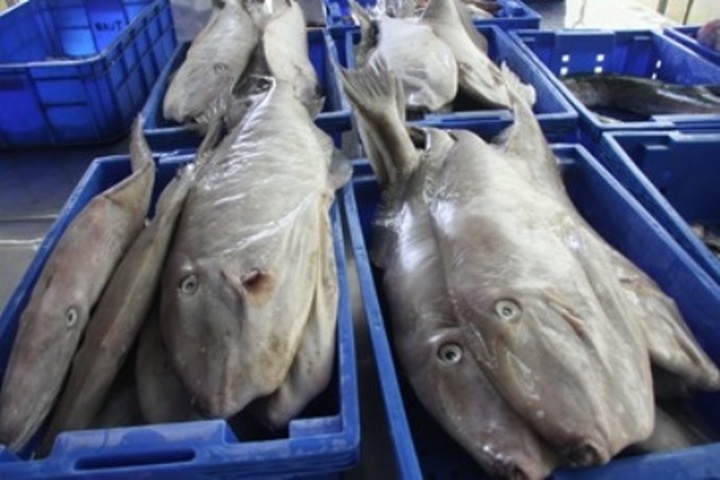
Fish from the Mekong Delta represents 60% of volume of METRO fish assortment
Vietnam has set up a public-private task force on sustainable agricultural growth which has shown considerable results over the past three years.
A meeting was held in Hanoi on November 4 to review the implementation of five commodity working groups after a three-year implementation period. The meeting drew the participation of officials from the Ministry of Agriculture and Rural Development (MARD), international organisations and officials from 15 trans-national groups such as Nestle, Unilever, Pepsico and Metro Cash & Carry.
“This is a really good chance for Vietnamese agriculture and the sector should fully utilised it to intensify cooperation with foreign partners and bring high quality Vietnamese products to the world market,” said Dr. Dang Kim Son, Director of the Institute of Policy and Strategy for Agriculture and Rural Development (IPSARD).
To date, Metro Cash & Carry has built up a fish supply chain in Vietnam. Fish from the Mekong Delta represents 60% of volume of METRO fish assortment.
It has set up the Can Tho fish platform, which serves 19 METRO Cash & Carry Vietnam stores nationwide. It has also trained and certified over 400 farmers and collectors and ensured a basic income for farmers of VND9 million (USD425.83) per month at the peak time.
As Vietnam has a surplus of rice but is still an importer of corn and soybeans, the commodities working group has been lobbying MARD to realise a plan to convert 100,000 hectares of low yield rice fields in the northern mountainous provinces to corn and soybean crops.
In 2013 about 1,000 ha of low output rice land has been covered to corn, specifically in Lao Cai and Yen Bai provinces, providing farmers with incomes five to six time higher than they previously earned.
In the Mekong Delta, the task force has successfully converted 2,200 hectares of rice to corn, and farmers earned VND9 million (USD425.83) per hectare, much higher than what they earned growing rice, just VND2 million (USD94.63) per hectare.

Rice to corn conversion benefits farmers
Meanwhile, the tea task force aims to help increase annual tea procurement in Vietnam by Unilever to 30,000 - 35,000 tonnes of Rainforest Alliance (RA) certified tea.
The first phase of the project, from 2011 to 2012, has already helped quadrupled import quantities from Vietnam to 12,000 and improved their quality. They target to export between 30,000 and 35,000 tonnes of fully RA certified tea by 2015.
In order to increase the efficiency of the coffee supply chain, a coffee coordination board was set up on July 31, 2013 with the membership of MARD, Ministry of Industry and Trade, coffee firms, local authorities and coffee growers. The board has helped map out development policies for the sector and desires to create trade promotion programmes.
The Global Sustainable AgroForestry Fund has been working closely with MARD to ensure realisation of the ambitious goals of the 2011-2015 Green Growth Strategy, which aims at transforming Vietnam’s agricultural sector to be able to create a 20% reduction in emissions, 20% reduction in poverty and 20% increase in growth.
“PPPs have the potential to give the development of professional supply chains a boost and ensure sustainable development of all stakeholders,” Son added.