In a document issued on March 6, the city’s Department of Construction asked local authorities and businesses to coordinate procedures and facilitate applications to install charging and battery-swapping facilities.
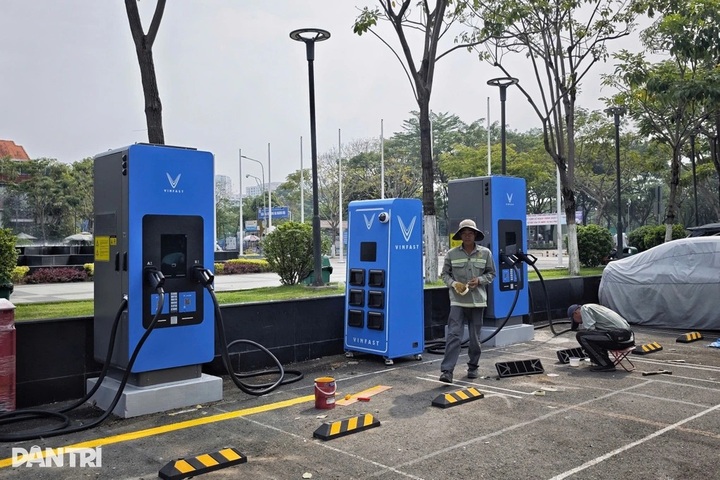
The department said expanding charging infrastructure was essential for the city to cut greenhouse gas emissions by at least 30 per cent by 2030 and reach net-zero before 2050, while promoting greener transport and climate resilience.
Demand for electric vehicles in the city, particularly motorbikes, is rising rapidly. By 2030, Ho Chi Minh City is expected to have around 1.2 million electric motorbikes, requiring more than 25,000 public charging and battery-swap stations.
Local authorities have been asked to increase public awareness campaigns encouraging residents, organisations and households to support the rollout of green transport infrastructure and facilitate businesses installing the facilities.
Authorities will process installation applications within their jurisdiction, while projects under the joint management of local authorities and the Department of Construction will be handled by the department.
The department also said installations must comply with regulations on the temporary use of roads and pavements and must not disrupt urban order or traffic safety.
Earlier, the department announced 102 locations across the city eligible for battery-swap cabinet installation.
Two companies, Great Wealth Trading Services Co. Ltd. and V-Green Global Charging Station Development JSC, plan to install 20,000 battery-swap cabinets in 2026, helping build the infrastructure needed for the transition to electric vehicles.