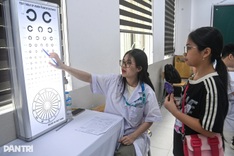
The teams will be led by representatives from the municipal departments of Health, Agriculture and Environment, Industry and Trade, and Education and Training, according to a decision signed by Vice Chairwoman of the Hanoi People's Committee Vu Thu Ha on September 17.
Inspections will be carried out at schools across the capital from September 20, 2026 to May 31, 2027.
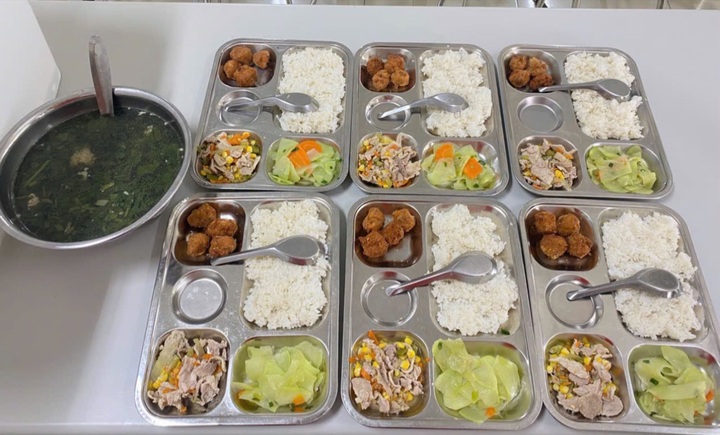
The teams will examine how schools select and contract food, meal and catering suppliers, as well as how local authorities and educational institutions supervise the provision of school meals.
Inspectors will also check food safety and nutritional standards, suppliers' capacity, food origins and quality, menus, portion sizes and meal delivery. Records will be cross-checked against actual operations at schools and suppliers.
Information on food origins, suppliers and related documents will also be verified through HanoiCheck, the city's database for school nutrition and food safety.
Violations must be addressed or referred to concerned agencies, with inspection results reported to the Hanoi People's Committee and the city's food safety steering committee.
In a separate directive issued the same day, the city ordered agencies and local authorities to strengthen oversight of school meals and clearly define responsibility at every stage of the process.
The Department of Education and Training was asked to ensure schools develop and publish menus with appropriate portions, energy and nutritional content for different age groups. Heads of schools will be held responsible for supervising meal quality and safety.
Local authorities were also ordered to review school meal arrangements, including suppliers, food preparation sites, production capacity and the number of schools, students and meals served.
They must prepare contingency plans to replace suppliers that fail to meet food safety or capacity requirements, ensuring school meal services can continue safely without disruption.