In southern Vietnam, prices dropped 5-10 per cent to VND 36-145 million per square metre. The declines varied by location and market segment, rather than reflecting a uniform fall across all developments.
Affordable housing remains scarce, with around 80 per cent of apartments launched in the third quarter priced at VND 100-120 million per square metre or more, according to Avison Young.
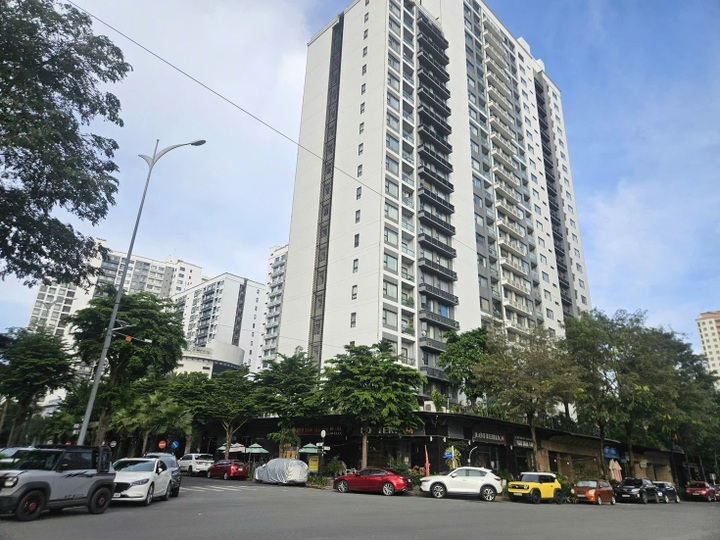
Estimates from property market analysts suggest that average home prices are equivalent to 23-25 years of household income, well above the commonly cited international affordability benchmark of four to six years.
Homes below VND 3 billion seen as more affordable
For many first-time buyers, particularly young families, the challenge lies not only in property prices but also in balancing savings, borrowing and monthly repayments.
A household earning VND 40 million (USD 1,520) a month with savings of VND 1.5 billion would need to borrow VND 3.5 billion to purchase a VND 5 billion apartment in HCM City.
At an annual interest rate of 12 per cent over 20 years, estimated monthly principal and interest payments could approach VND 50 million, exceeding the household's entire income.
Even a cheaper apartment costing VND 3.2-3.5 billion would place considerable pressure on household finances. Estimated monthly repayments could reach VND 28 million, equivalent to 70 per cent of income, leaving limited room for essential expenses.
Property experts recommend limiting borrowing to around 50 per cent of a home's value and keeping monthly debt repayments below half of household income.
For a family with VND 1.5 billion in savings and monthly earnings of VND 40 million, an apartment priced below VND 3 billion would therefore be a more manageable option.
Savills Vietnam has also identified this price range as a common target among prospective homebuyers.
Buyers urged to manage debt and maintain emergency savings
Nguyen Thi Hong Van, head of wealth management at FIDT Investment Consulting and Asset Management, advised buyers not to exhaust their savings to reduce mortgage borrowing.
A household with more than VND 1.5 billion in savings should retain over VND 200 million as an emergency fund to cover three to six months of essential expenses, she said.
Those taking out long-term mortgages should also consider health and life insurance, particularly if they have dependants, to protect against unexpected medical costs or loss of income.
Cao Thi Thanh Huong of Savills Vietnam advised buyers to limit borrowing to 50 per cent of a property's value to ease repayment pressure if interest rates rise or incomes fall.
With a total budget of around VND 3 billion, including borrowed funds, buyers could consider smaller one- or two-bedroom apartments or properties in outlying areas such as Di An and Thuan An, she said.
Huong expected mortgage rates to remain relatively high in the short to medium term, given strong demand for capital across the economy.
Rather than waiting for a sharp fall in interest rates, buyers should assess their repayment capacity, a project's legal status and its long-term transport links, she said.
Experts advised buyers to use mortgage grace periods to build savings and make early repayments, potentially cutting repayment terms from 15-20 years to just over six.
They stressed that buyers should prioritise sustainable borrowing, adequate emergency reserves and a clear debt reduction plan rather than trying to time the bottom of the property market.