The park covers more than 10,000 hectares, including over 4,000 hectares under strict protection and more than 5,300 hectares designated for ecological restoration.
Over nearly the first nine months of 2026, the park's forest protection team conducted more than 1,000 patrols involving over 3,500 personnel deployments. More than 400 checks were also carried out along routes considered at risk of illegal timber transportation.

No forest fires were recorded in areas managed by the park during the period.
However, the team detected and handled three cases of illegal logging in Hop Thanh Village in Dong Phuc Commune and Khau Qua and Nam Mau villages in Ba Be Commune.
Based on police files, the park's forest ranger unit imposed administrative fines totalling more than VND340 million on 18 people.
The park has also contracted local communities to help manage and protect more than 1,800 hectares of forest, involving 37 community groups across 33 villages in four communes.
During an enforcement campaign from late August to early September, forest rangers intensified patrols and surveillance in areas containing valuable and rare forest resources or considered at high risk of violations.
The campaign included 67 forest patrols and inspections, 19 surveillance operations and 27 checks along key routes. No forestry violations were detected during the campaign.
Pham Van Chi, deputy director of the Ba Be National Park Management Board, said forest protection remained challenging because of difficult terrain, limited access to remote areas and the continuing risk of forest encroachment and illegal exploitation.
Some residents in and around the park's core zone also remain partly dependent on forest resources for their livelihoods, requiring continued awareness campaigns and cooperation with local authorities.
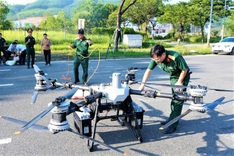
The management board plans to maintain regular patrols in high-risk areas, strengthen coordination with local authorities and forest rangers, and increase the use of technology to monitor forest resources, particularly in remote and difficult-to-access areas.