The Vietnam Air Traffic Management Corporation (VATM), Airports Corporation of Vietnam (ACV) and Vietnam Airlines jointly organised the exercise, which used videos, flight data and simulated scenarios without affecting normal airport operations.
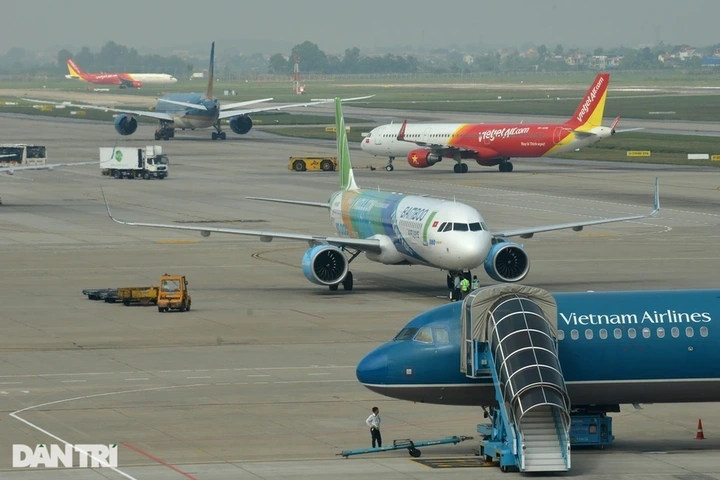
The drill covered three closely linked areas of aviation operations, air traffic management, airport operations and airline operations, with a focus on handling disruptions, managing air traffic flows, coordinating airport decisions and restoring services.
Under the scenario, a UAV entered the airport area, disrupting air and ground operations, including approach airspace, the airfield, terminals, ground services, crews and passengers.
VATM coordinated air traffic and flow management, ACV managed airport operations, while Vietnam Airlines prepared contingency plans for alternative airports, flight schedules, crews and passengers.
VATM Deputy General Director Nguyen Manh Kien said unauthorised UAV activity near airports could pose a direct threat to flight safety, disrupt take-offs and landings and cause knock-on effects across the aviation system.
He said the appearance of even a single UAV in an operational area could require agencies to make critical decisions within a short period, often with limited initial information and mounting operational pressure.
The exercise tested the three organisations' ability to respond proactively to potential disruptions and reviewed coordination procedures, communication channels and measures to manage knock-on effects.
It will also help the organisations refine their response procedures, particularly information-sharing and real-time incident management.
Kien said safety remained the top priority, with responses required to follow established authority, ensure accurate communication, manage traffic proactively and restore operations in a controlled manner.
Lessons from the exercise will be used to improve contingency plans, training programmes and coordination mechanisms, while strengthening preparedness for real-world disruptions and larger-scale drills.