
The Lam Dong Department of Agriculture and Environment and the Vietnam representative office of Stichting IDH signed a memorandum of understanding on the morning of November 10 to develop a large-scale sustainable coffee-growing area across the province during the 2026-2030 period.
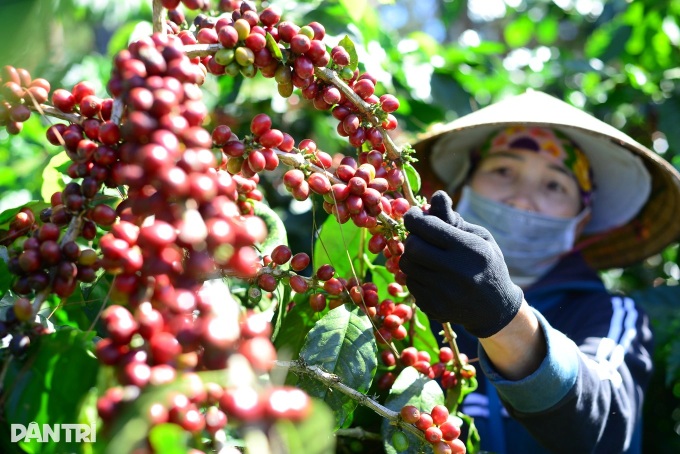
Under the agreement, the two sides aim to establish a sustainable coffee production area covering approximately 250,000 hectares.
The programme will focus on promoting climate-resilient farming practices, improving resource efficiency, reducing greenhouse gas emissions, and protecting and restoring forest resources.
These efforts are expected to improve coffee yields and quality while increasing farmers' incomes.
A key priority is to standardise and digitise information on coffee-growing areas, improving transparency and traceability to meet export market requirements, including the European Union Deforestation Regulation (EUDR).
Stichting IDH will support the province in strengthening its capacity to manage cultivation areas and developing and completing the relevant data systems.
Once completed, the system's source code, data and administrative rights will be handed over to the provincial Department of Agriculture and Environment for long-term management and operation.
Vu Dinh Cuong, deputy director of the Lam Dong Department of Agriculture and Environment, called on both sides to promptly develop an overall plan for 2026-2030, together with annual implementation plans.
He also urged them to review existing conditions, select priority areas and assess the needs of farmers, cooperatives and businesses.
Cuong stressed the importance of building on existing programmes and mobilising resources efficiently while avoiding duplication.
Support for producers should focus on farming techniques, product quality, efficient water and agricultural input use, intercropping, emissions reduction and landscape protection, he said.
These initiatives should also be linked to production organisation, market connections and stronger cooperative capacity, enabling farmers to see clear economic benefits from participating in sustainable coffee supply chains.