

Cardiovascular disease causes about 200,000 deaths annually in Vietnam, according to the World Health Organization. For older people with heart conditions and other underlying illnesses, infections can worsen existing conditions, increase the risk of hospitalisation and lead to life-threatening complications.
The issue was highlighted at the 20th National Congress of Cardiology, where specialists discussed integrating infection prevention into comprehensive cardiovascular care, with support from GSK Vietnam.
Infections pose additional risks
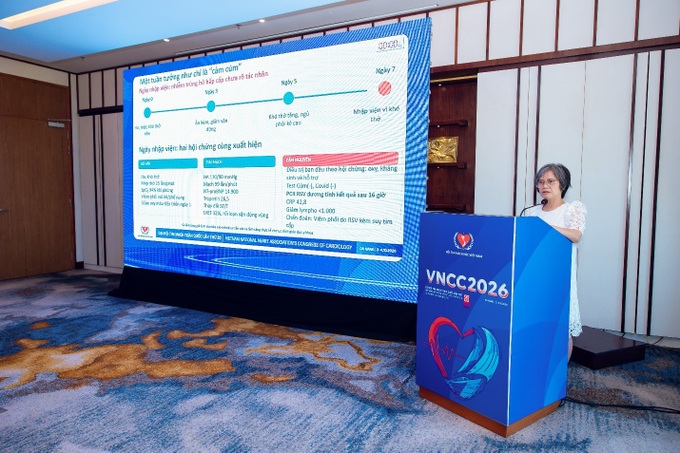
Vu Quynh Nga, a doctor at Hanoi Heart Hospital, presented the case of a 67-year-old woman with heart failure, hypertension and coronary artery disease.
Initially experiencing a cough, fatigue and mild breathlessness, the patient saw her condition deteriorate over the following week. She was admitted to hospital with an acute respiratory infection and decompensated heart failure. Further tests confirmed respiratory syncytial virus (RSV) infection.
Nga cited research indicating that adults aged 65 and over with coronary artery disease may face up to 6.5 times the risk of RSV-related hospitalisation compared with those without the condition.
The congress also examined the risk of herpes zoster, commonly known as shingles, among cardiovascular patients.
Nguyen Tat Dat, a doctor in the cardiology department at Cho Ray Hospital, described a heart transplant recipient born in 1958 who developed shingles in September 2025 while receiving long-term immunosuppressive treatment.
Dat said people with cardiovascular disease may have an approximately 34 per cent higher risk of developing shingles. The infection can cause postherpetic neuralgia, a condition involving persistent nerve pain that can significantly affect quality of life.
Vaccination as part of long-term care
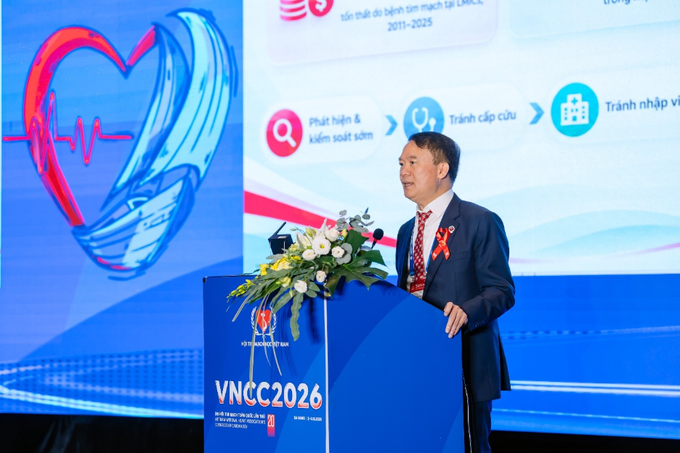
Pham Manh Hung, president of the Vietnam National Heart Association and director of the Cardiovascular Institute at Hospital 19-8, said infection prevention should be incorporated into long-term cardiovascular disease management.
“A single infectious episode can negate months of successful cardiovascular disease control. We need to begin with a comprehensive management and prevention strategy for patients with cardiovascular diseases,” he said.
“Vaccination should be considered a cornerstone of comprehensive disease management and an integral component of cardiovascular patient care,” he added.
International recommendations increasingly recognise vaccination as part of preventive care for people at elevated cardiovascular risk. These include a 2025 clinical consensus statement from the European Society of Cardiology and recommendations from the American College of Cardiology.
In Vietnam, Ministry of Health Decision No 1983/QD-BYT also identifies vaccination as a measure to help prevent infection-related cardiovascular complications, including heart attacks and strokes.
Updated hypertension recommendations presented at the congress called for regular assessment of patients' vaccination status, taking into account age, underlying conditions, exposure risks and vaccination history.
Vaccines against pneumococcal disease, RSV, influenza, diphtheria, tetanus, pertussis and hepatitis B should be considered according to individual risk profiles and current guidance.
The recommendations also state that hypertension alone is not a reason to withhold vaccination. Immunisation should not be unnecessarily delayed in patients with blood pressure readings of 140-179/90-109 mmHg, even if they have not yet reached their target blood pressure.
The discussions underscored the need to look beyond conventional treatment goals, highlighting infection prevention as an important component of protecting the long-term health of people with cardiovascular disease.