
The Department of Livestock Production and Animal Health under the Vietnamese Ministry of Agriculture and Environment is developing a national database to connect livestock producers with regulatory authorities and improve oversight of the sector.
The system has three main components covering registration and identification, product traceability, and environmental monitoring and alerts.
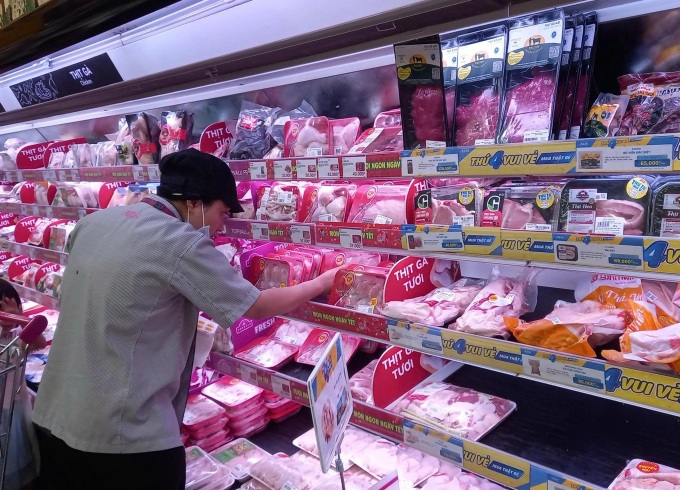
Its traceability component is designed to track products through six stages of the supply chain, from breeding and feed production to farming, slaughtering, processing and retail.
According to the department, digital records will allow products to be linked to their production and distribution histories, helping authorities monitor livestock operations and businesses verify product origins.
The system is also expected to give consumers more information when choosing food products.
By late October, all 34 provinces and cities and more than 3,200 commune-level administrative units had received system administrator accounts.
Nearly 20,000 livestock farms, slaughterhouses and animal feed factories had also been assigned identification codes.
The department said the initiative would directly benefit consumers by making information about food origins and production conditions more accessible.
Speaking at the recent 21st Asian-Australasian Animal Production Congress (AAAP 2026), department director Duong Tat Thang said sustainable livestock development required digital transformation, automation and artificial intelligence.
The national livestock database is expected to become operational in 2027, supporting traceability, businesses, farmers and market forecasting.
However, its effectiveness will depend heavily on participation from farmers and businesses, particularly large livestock producers.
Small farms face digital challenges
Despite progress in building the database, digital transformation remains difficult for the livestock sector, particularly among small-scale farmers.
Many households lack suitable equipment, reliable digital infrastructure and the skills needed to use online tools. Paper-based farm records remain widespread.
The department warned that incomplete or outdated information at farm level could undermine traceability throughout the supply chain.
Commune-level authorities also face shortages of equipment and qualified personnel. Veterinary and livestock officials often handle multiple responsibilities, while computers and internet connections remain limited in some remote areas.
Another challenge is the lack of integration between livestock databases and systems covering land, the environment, taxation, customs, businesses and e-commerce.
This can lead to duplicate reporting requirements and additional administrative burdens for farmers and companies.
To address these problems, the department plans to introduce simpler, low-cost digital tools designed around farmers' needs.
Farmers will be able to use mobile applications or web platforms to register activities, update herd information and maintain electronic livestock records.
The system is also expected to support QR code and barcode scanning, along with Vietnamese voice input through AI-powered assistants.
Community digital technology teams will be encouraged to help smallholders use the system, while major livestock companies will be urged to share supply chain data and support smaller producers.
Between 2026 and 2030, the livestock sector aims to establish an integrated digital management system connecting local authorities with central agencies and linking production with consumption.
The department also plans to improve connections between the national database and business systems through common technical standards and controlled data access.
Nguyen Tri Cong, chairman of the Dong Nai Livestock Association, said digital transformation should go beyond replacing paper records with electronic versions.
He said AI applications should focus on practical goals, including reducing production costs, improving quality, ensuring food safety and meeting market requirements.