
Police said on October 5 that nine suspects had been charged and detained over alleged food safety violations, trading in banned goods, bribery and accepting bribes.
The ring operated across several southern localities, with HCM City among the markets where the pork was sold.
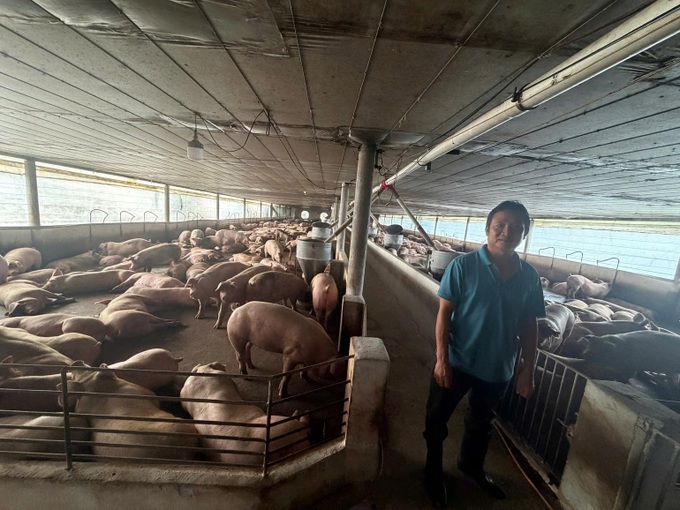
In late July, police and the HCM City Department of Agriculture and Environment found 280 pigs testing positive for salbutamol in three trucks, including 80 also infected with African swine fever.
Police subsequently searched 14 farms and other locations linked to the suspects in Dong Nai, discovering nearly 4,000 pigs weighing more than 500 tonnes that tested positive for salbutamol. The animals were destroyed.
Investigators said the salbutamol was supplied by Nguyen Thi Trinh Nu, 37, who had imported it from Thailand and Cambodia since mid-2025 and sold it for VND 375,000 per kilogramme to pig farmers.
The substance was allegedly mixed into feed to accelerate weight gain. Pigs weighing 100-110 kg could reach 130-140 kg after about 30 days, police said.
Investigators alleged the farmers stopped using salbutamol about 10 days before slaughter and gave the pigs liver detoxification products or electrolytes in an attempt to reduce detectable residues.
More than one tonne of salbutamol was seized, enough to be mixed into over 3,000 tonnes of animal feed, according to police.
Investigators also accused an animal quarantine officer in Dong Nai of accepting money from Hieu to improperly certify shipments without carrying out required inspections.
Police said pre-issued certificates and seals allowed the pigs to reach slaughterhouses in several localities, while falsified documents were used to transport them from Dong Nai to HCM City.
Initial investigations found that more than 10,000 tonnes of pigs fed the banned substance, worth over VND 600 billion, had entered the market since January 2026. They were sold in HCM City, Dong Thap and other southern localities.
Police are continuing to investigate the case and identify others involved.
Salbutamol is banned for use in animal feed in Vietnam. Authorities warned that residues in meat can pose health risks to consumers.