
Under the approved plan, Van Don International Airport will retain its existing 3,600-metre runway through 2030 while expanding taxiways and maintaining Terminal 1 with annual capacity of 2.5 million passengers.
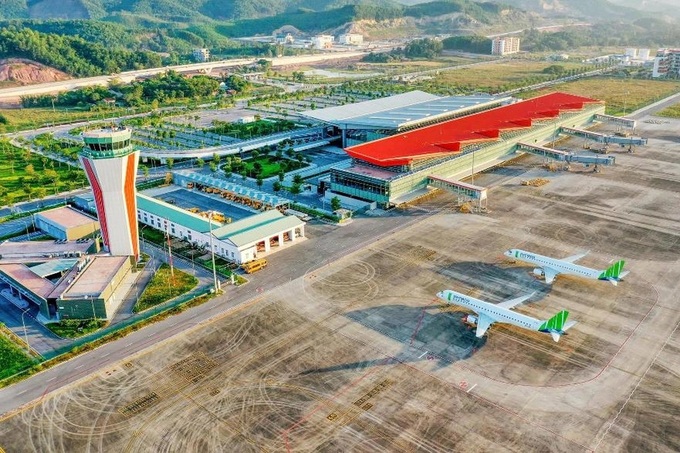
The airport’s land area is also expected to increase from more than 390 hectares to nearly 500 hectares by 2050.
Meanwhile, Cam Ranh International Airport in Khanh Hoa Province is proposed to operate as a dual-use civil and military airport under a development plan submitted by the Civil Aviation Authority of Vietnam.
During the 2021-2030 period, Cam Ranh is expected to handle around 19 million passengers and 50,000 tonnes of cargo annually.
The proposal includes retaining one existing runway while replacing the second with a newly built 3,350-metre runway, alongside expanded taxiway systems and additional rapid-exit taxiways to improve operational capacity.
The airport is also planned to expand aircraft parking stands to around 45 positions by 2030.
For passenger infrastructure, Cam Ranh will build a new Terminal 1 and expand Terminal 2, lifting total passenger capacity to 19 million annually.
By 2050, the airport is projected to handle 36 million passengers and 100,000 tonnes of cargo each year, with aircraft stands increasing to about 70 positions and further terminal expansion planned.
The ministry said Vietnam’s national airport development plan targets 30 airports by 2030 and 33 by 2050, with 12 additional potential airport sites under consideration.
Authorities said more than 95 per cent of Vietnam’s population is expected to live within 100 km of an airport by 2030, above the global average of around 75 per cent.